The Brihanmumbai Municipal Corporation (BMC) has tightened water restrictions as Mumbai's lake levels have fallen to 10.35% of their total capacity. With reservoir levels continuing to decline, the civic body has extended restrictions to non-essential uses of potable water starting June 17.
Background of the Water Crisis
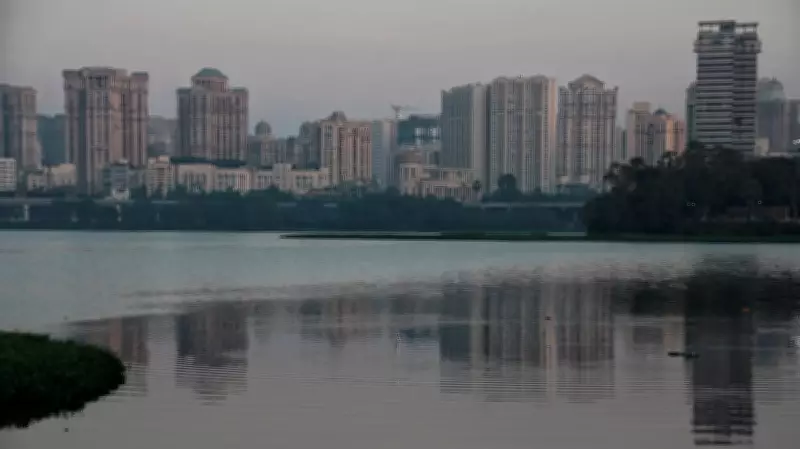
Mumbai relies heavily on seven lakes—Modak Sagar, Tansa, Vihar, Tulsi, Bhatsa, Upper Vaitarna, and Middle Vaitarna—for its water supply. These reservoirs are currently at critically low levels due to insufficient rainfall during the past monsoon season, exacerbated by the El Nino weather pattern.
New Restrictions Imposed
The BMC has announced that from June 17, non-essential uses of potable water will be banned. This includes activities such as washing cars, watering gardens, and using water for construction purposes. The move aims to conserve the remaining water for essential needs like drinking and sanitation.

- Car washing: Use of potable water for washing vehicles is prohibited.
- Gardening: Watering lawns and gardens with drinking water is banned.
- Construction: Use of potable water for construction activities is disallowed.
Impact on Daily Life
Residents have been urged to use water judiciously and report any wastage to the BMC. The civic body has warned of penalties for violations, including fines and potential disconnection of water supply. The restrictions are expected to remain in place until the monsoon arrives and replenishes the lakes.
Government Response
Maharashtra state officials are monitoring the situation closely. The BMC has also appealed to citizens to adopt water-saving measures and explore rainwater harvesting to mitigate the crisis. The El Nino effect has been cited as a major factor behind the inadequate rainfall, leading to the current shortage.
As of June 16, 2026, the water stock in the seven lakes stands at 10.35%, down from 12% earlier this month. The BMC has assured that strict action will be taken against those found violating the new norms.