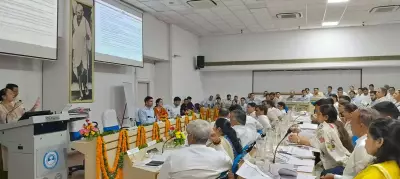
The Union Cabinet, chaired by Prime Minister Narendra Modi, has approved a Rs 37,500 crore incentive scheme to promote coal gasification in India. The initiative aims to reduce the country's dependence on imports and enhance energy security by converting coal into valuable products like synthetic natural gas, fertilizers, and chemicals.
Key Highlights of the Scheme
The scheme, named the 'Coal Gasification Incentive Scheme', will provide financial support to both public and private sector entities for setting up coal gasification plants. The government will offer a 20% incentive on capital expenditure for such projects, with a cap of Rs 1,500 crore per project. The scheme is expected to leverage an investment of over Rs 1.5 lakh crore in the sector.
Objectives and Benefits
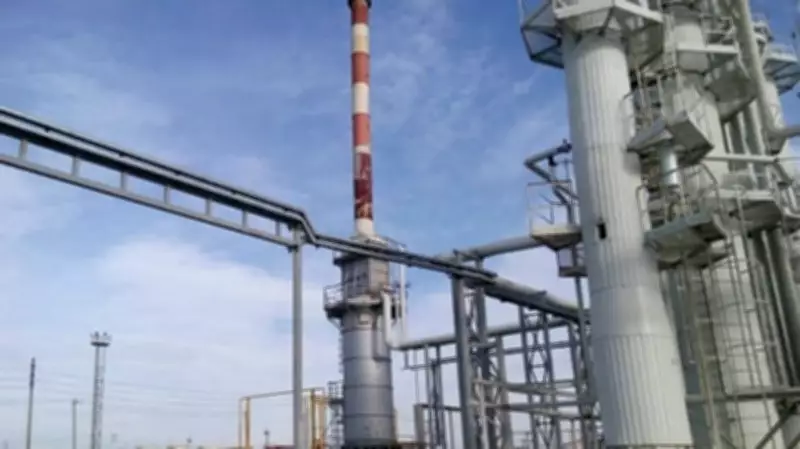
The primary objective is to promote clean coal technology and reduce India's reliance on imported natural gas and fertilizers. Coal gasification converts coal into synthesis gas (syngas), which can be used to produce various products. This will also help in utilizing India's vast coal reserves in an environmentally friendly manner.

According to the government, the scheme will create significant employment opportunities, especially in coal-rich regions. It will also contribute to the country's target of achieving net-zero emissions by 2070 by enabling the production of hydrogen from coal.
Implementation and Timeline
The scheme will be implemented over a period of five years, starting from the current fiscal year. The Ministry of Coal will be the nodal agency for implementation. Projects will be selected through a transparent bidding process.
Industry experts have welcomed the move, stating that it will provide a much-needed boost to the coal gasification sector, which has been struggling due to high capital costs and lack of policy support. The scheme is expected to attract major investments from both domestic and international players.
The cabinet approval comes at a time when India is facing high energy prices and supply chain disruptions due to global geopolitical tensions. The scheme is part of the government's broader strategy to achieve energy self-reliance and promote sustainable development.