

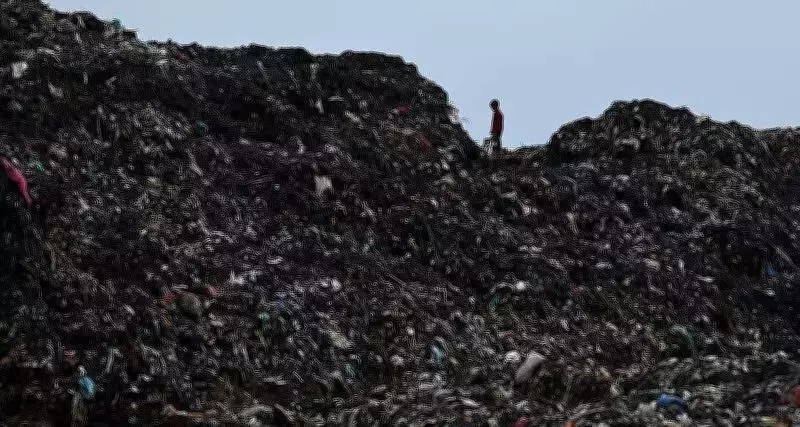
CAG Audit Uncovers Severe Deficiencies in Punjab's Urban Waste Management
A recent performance audit conducted by the Comptroller and Auditor General (CAG) has exposed serious and systemic shortcomings in solid waste management across urban local bodies in Punjab. The report, covering the period from 2017 to 2022, highlights alarming gaps in waste treatment, policy implementation, and fund utilisation, raising significant concerns about environmental safety and public health in the state's rapidly urbanising cities and towns.
Alarming Statistics on Waste Treatment and Collection
The audit reveals that during the 2021-22 period, Punjab generated a staggering 4,222 metric tonnes of solid waste daily. While 4,207 MT was collected, only 1,471 MT—a mere 35%—underwent proper treatment. This leaves approximately 65% of the total waste untreated, indicating a massive failure in scientific disposal mechanisms across 166 urban local bodies. The growing waste generation, driven by rapid urbanisation, has not been matched by adequate planning, processing, or disposal infrastructure.
Policy Delays and Inadequate Implementation
The state government's failure to formulate timely Solid Waste Management and Construction and Demolition Waste Management policies has critically delayed the framing of essential bye-laws by urban local bodies. This delay has resulted in ineffective addressing of crucial activities, including:

- Waste segregation at source
- Prevention of dumping in water bodies
- Management of legacy waste accumulations
- Development of comprehensive SWM infrastructure
Urban local bodies were also unable to prepare adequate action plans for waste management, further exacerbating the crisis.
Severe Underutilisation of Allocated Funds
The audit uncovered significant financial mismanagement, with urban local bodies failing to fully utilise available funds earmarked for waste management. Out of Rs 1,011.33 crore allocated between 2017 and 2022, only Rs 692.32 crore was actually spent. Among 20 selected ULBs, Rs 306.87 crore was utilised from available funds of Rs 620.18 crore.
Collection of user charges remained abysmally low, with selected ULBs collecting only Rs 1.06 crore against a projected Rs 204.84 crore between April 2019 and March 2022—a mere 0.52% of the target.
Poor Segregation and Infrastructure Gaps
Waste collection efficiency remained inadequate, with auditors discovering numerous instances of waste being dumped directly into water bodies and the formation of "Garbage Vulnerable Points." Physical inspections revealed unsegregated waste, including hazardous and sanitary materials, dumped at disposal sites.
Infrastructure required for scientific waste processing—such as material recovery facilities, compost pits, and sanitary landfills—was found to be severely insufficient. Consequently, 68% of collected waste remained unprocessed, leading to dangerous accumulations of legacy waste.
Environmental and Safety Consequences
The audit noted that such waste accumulation has led to methane emissions, a potent greenhouse gas, and increased fire risks at dumpsites. One tragic fire incident resulted in the death of seven persons, following which the National Green Tribunal imposed a penalty of Rs 100 crore.
Failed PPP Projects and Infrastructure Deficiencies
The department identified eight Public Private Partnership projects for waste management, but only one project was operational. Municipal Corporation Amritsar failed to close three dumpsites, eliminate secondary waste collection points, construct sanitary landfills, or install necessary weighbridges.
In Ludhiana, the Modern Carcass Utilisation Plant constructed at a cost of Rs 8.48 crore remained idle due to public protests, while a modern slaughterhouse built at a cost of Rs 20.57 crore was severely underutilised. Construction and demolition waste management was not implemented in any selected ULBs except Mohali, where such waste was used for constructing channels and kerbs.
Key Recommendations for Improvement
The report makes several critical recommendations to address these systemic failures:

- Strengthen stakeholder participation in waste management planning
- Ensure full utilisation of available funds and improve collection of user charges
- Strict implementation of solid waste management rules
- Scientific management of legacy waste accumulations
- Development of integrated plans for handling other waste streams including carcass and slaughterhouse waste
- Expansion of viable PPP projects and better maintenance of records and data for effective monitoring
The CAG report serves as a stark warning about the urgent need for comprehensive reforms in Punjab's urban waste management systems to protect both environmental integrity and public health.





