

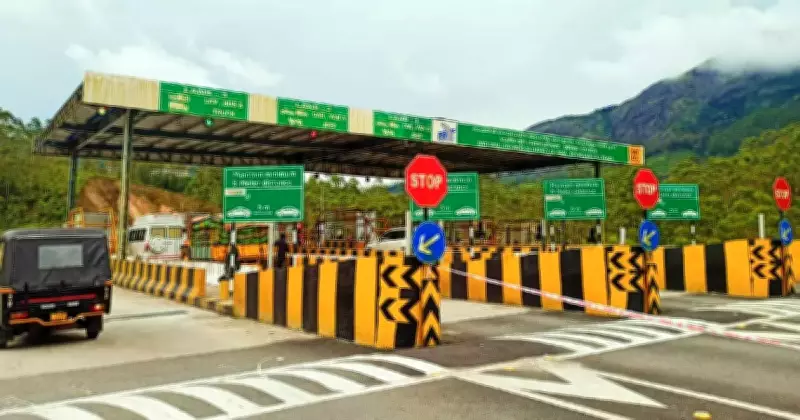
India Mandates Digital Toll Payments on National Highways from April 10
In a significant move towards modernizing transportation infrastructure, the Indian government has announced that cash payments at toll plazas across national highways will be discontinued starting April 10. This decision, outlined in a recent government notification, marks a pivotal shift towards establishing a fully digital tolling ecosystem nationwide.
Transition to Digital Modes for Enhanced Efficiency
The National Highways Authority of India (NHAI) has confirmed that all toll transactions will now be processed exclusively through digital methods, primarily FASTag and the Unified Payments Interface (UPI). This initiative builds upon earlier proposals to phase out cash transactions, aiming to improve operational efficiency and streamline traffic flow. By eliminating cash handling, the authority expects to increase lane throughput, reduce congestion at toll plazas, and ensure greater transparency and consistency in toll collections.
The complete adoption of digital payments is projected to minimize delays and enhance the overall user experience at more than 1,150 fee plazas on national highways and expressways. This move aligns with broader efforts to digitize India's economy and promote seamless commuting for millions of travelers daily.

Revised Toll Rates Implemented in Uttar Pradesh
Concurrently, the NHAI and the Uttar Pradesh Expressways Industrial Development Authority (UPEIDA) have introduced revised toll rates, reflecting a small upward adjustment. On national highways, toll charges for passenger cars have increased by up to 10%, while expressway fees in Uttar Pradesh have been raised by 1.50% to 3.50%.
Under the new structure, specific changes include:
- Car and SUV owners using the Lucknow–Agra Expressway will now pay Rs 675 instead of Rs 665 per trip.
- Two-wheeler riders on the same route will be charged Rs 335, up from Rs 330.
- On the Gorakhpur Link Expressway, four-wheeler rates have increased by Rs 10 to Rs 295, and two-wheeler rates by Rs 5 to Rs 145.
These revisions also apply to commercial vehicles, such as buses and heavy multi-axle transport vehicles, impacting a wide range of road users. The adjustments are intended to support infrastructure maintenance and development while balancing affordability for commuters.
Implications for Commuters and the Transportation Sector
The discontinuation of cash payments is expected to drive widespread adoption of digital tools like FASTag, which has already gained traction in recent years. This shift not only aims to reduce operational costs and environmental impact but also fosters a more secure and efficient tolling system. Authorities emphasize that the digital transition will help combat fraud and improve data accuracy for better traffic management.
As India moves towards a cashless highway network, stakeholders are encouraged to ensure compliance with the new regulations to avoid disruptions. The government's proactive approach underscores its commitment to leveraging technology for public welfare and economic growth in the transportation sector.






