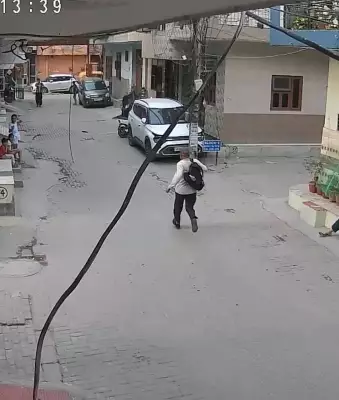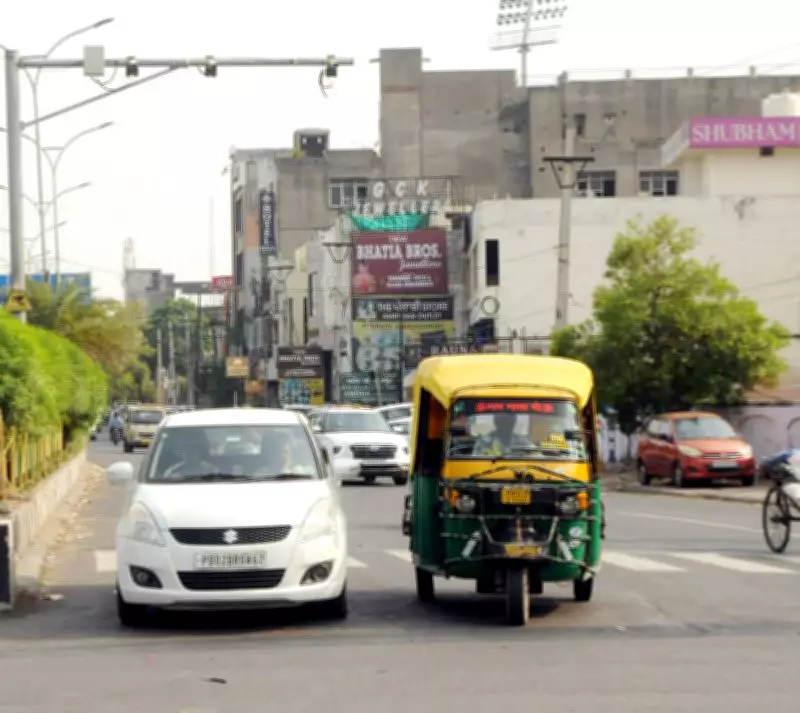
The Amritsar traffic police are set to launch a CCTV-based online challaning system in the coming weeks, aiming to streamline the process of issuing traffic violation penalties. This initiative will leverage existing surveillance cameras installed across major intersections and roads in the city to automatically detect violations such as jumping red lights, overspeeding, and illegal parking.
How the System Works
The system will capture images and videos of traffic rule infractions, which will be reviewed by traffic police personnel. Once a violation is confirmed, an e-challan will be generated and sent to the vehicle owner's registered mobile number and email address. The system is designed to reduce human intervention, minimize errors, and ensure transparency in penalty imposition.
Key Features
- Automated Violation Detection: High-resolution cameras will monitor traffic 24/7, capturing clear evidence of violations.
- Instant E-Challan Generation: Offenders will receive challans via SMS and email within minutes of the violation.
- Online Payment Portal: A dedicated website and mobile app will allow users to pay fines securely online.
- Dispute Resolution Mechanism: Vehicle owners can contest challans through an online portal within a specified period.
Benefits for Citizens
The new system promises several advantages for Amritsar's residents. It eliminates the need for physical interaction with traffic police, reducing instances of harassment and corruption. The automated process also ensures that challans are issued only when there is clear evidence, decreasing wrongful penalties. Additionally, the online payment option saves time and effort for vehicle owners.

Implementation Timeline
The Amritsar traffic police have already completed the installation of necessary hardware and software. A trial run is expected to begin in the next two weeks, followed by a full-fledged launch. The police department is also conducting training sessions for its personnel to manage the new system effectively.
Future Plans
In the long term, the authorities plan to integrate the CCTV-based challaning system with the state's transport database to track repeat offenders and enforce stricter penalties. There are also discussions about using artificial intelligence to improve violation detection accuracy and expand the system to cover more areas of the city.