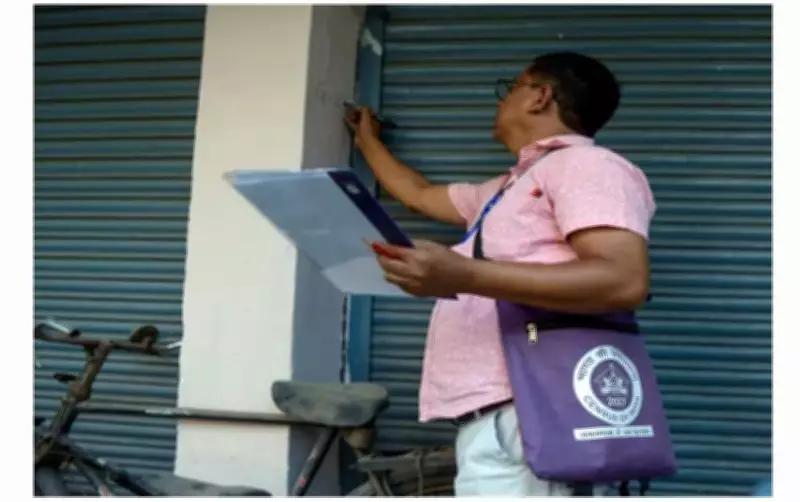
Academic activities in government schools across Himachal Pradesh have taken a hit as a large number of teachers have been deputed for census duties. The move has led to a shortage of teaching staff, disrupting the regular schedule of classes and affecting students' learning.
Impact on Schools
The deputation of teachers for the census has left many schools struggling to manage daily academic activities. With teachers engaged in door-to-door surveys and data collection, classrooms are either merged or left unattended, forcing students to miss out on lessons. This disruption is particularly acute in rural areas where the teacher-student ratio is already strained.
Concerns of Parents and Educators
Parents have expressed concern over the loss of instructional time, especially as the academic year is already compressed due to previous disruptions. Educators worry that the prolonged absence of teachers will widen learning gaps, particularly for students in primary and secondary grades who require consistent guidance.

The state education department has acknowledged the issue but maintains that census duties are a national priority. Officials have assured that efforts are being made to minimize the impact, such as deploying substitute teachers or rescheduling classes. However, with the census exercise expected to continue for several weeks, the disruption may persist.
Way Forward
Educationists suggest that the government should plan such duties during school vacations to avoid academic loss. They also recommend using technology to conduct census work remotely, allowing teachers to fulfill both responsibilities. Meanwhile, schools are trying to cope by grouping classes and assigning extra work to remaining staff, but the quality of education remains compromised.
As the census progresses, the education department is under pressure to find a balance between national duties and the right to education of children. The situation highlights the need for better coordination between census authorities and the education sector to prevent future disruptions.