

Chennai's Cattle Microchipping Drive Faces Major Compliance Hurdles
The Greater Chennai Corporation (GCC) is grappling with alarmingly low compliance in its cattle microchipping initiative, with only around 500 out of an estimated 22,875 cattle in the city having been microchipped so far. This represents a mere 2% adherence to the mandatory licensing and identification norms introduced in January 2026. With the enforcement deadline set for March 18, the civic body has ramped up efforts, warning of stricter penalties for non-compliant owners.
Poor Response and Enforcement Challenges
Officials attribute the sluggish progress to poor cooperation from cattle owners. GCC veterinary officer J Kamal Hussain highlighted that despite making microchipping and licensing compulsory within city limits, the response has been dismal. "We have microchipped 500 heads of cattle that were impounded and housed in modern cattle sheds at locations like Tiruvottiyur, Manali, Madhavaram, Anna Nagar, and Teynampet," he stated. Cattle owners are required to apply for licenses through GCC's official website, but uptake remains minimal.
Stray Cattle Incidents and Penalties
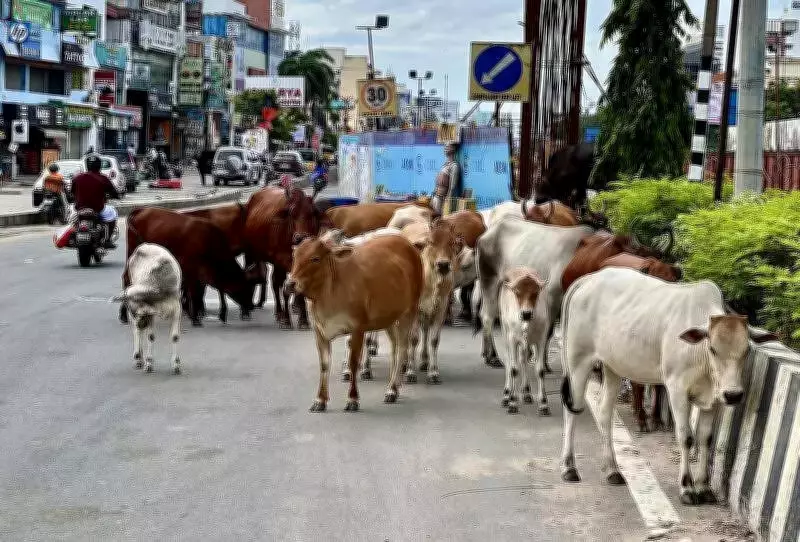
The drive aims to address a persistent issue of stray cattle endangering motorists and pedestrians on busy roads. In 2024 and 2025 alone, GCC seized 4,237 stray cattle and collected 2.22 crore rupees in penalties following multiple incidents involving attacks. Despite these measures, stray cattle continue to pose risks, prompting the intensified enforcement. Hussain emphasized that zonal teams, comprising veterinary officers, supervisors, and cattle catchers, will conduct inspections at frequent cattle locations to facilitate spot licensing and on-site microchipping.

Owner Concerns and Policy Implementation
Cattle owners have voiced significant concerns regarding the policy's implementation. Thanga Shanthakumar, president of the Livestock Development Association, criticized the rule for being introduced without adequate consultation. "There is apprehension that the microchip may harm the cattle, and no clear assurance has been given. There is also confusion regarding licence transfers when ownership changes," he explained. These issues have contributed to the low compliance rates and owner resistance.
Future Steps and Penalties
GCC has warned that owners failing to register their cattle will face penalties, seizure of animals, and continued monitoring until compliance is ensured. While the exact penalty amount is yet to be finalized, the civic body is determined to improve adherence through rigorous inspections and enforcement actions. The focus remains on enhancing public safety and reducing stray cattle incidents as the deadline looms.






