

Chennai Metro Phase 2: Vadapalani Commuters Face Long Walks and Multiple Level Changes
As the first stretch of Chennai Metro's Phase 2, connecting Poonamallee Bypass to Vadapalani, prepares to open, passengers are likely to encounter significant inconveniences. Commuters accessing the Vadapalani station may need to brace for longer walks and multiple level changes, as independent entry and exit points are not expected to be operational at the initial launch.
Infrastructure Challenges at Vadapalani Station
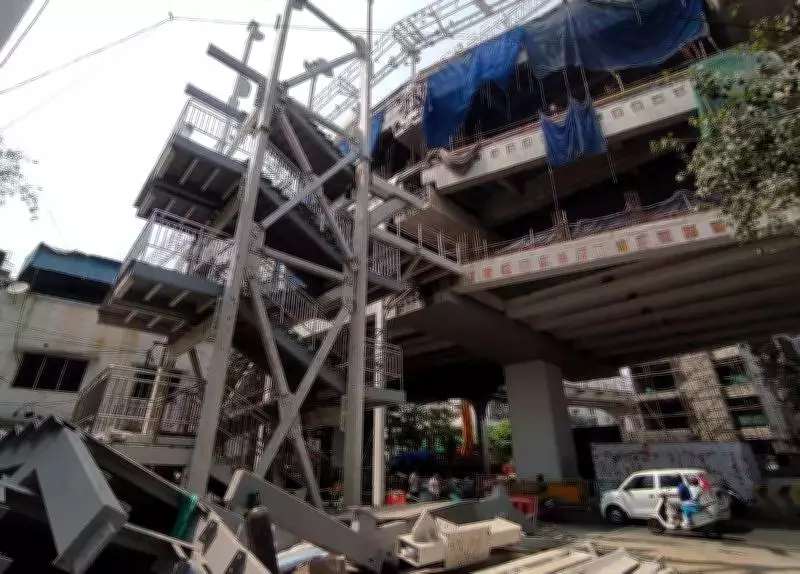
The Phase 2 station has been constructed on Arcot Road, while the existing Phase 1 station is located on 100-Feet Road. These two stations are linked by a skywalk. However, in the absence of a dedicated ground-level entry for Phase 2, commuters may be forced to enter or exit through the Phase 1 station. From there, they will need to climb up to reach the new platforms, adding extra steps and potential delays to their journey.
A separate staircase is currently under construction near the Vadapalani police station, but officials have confirmed that it will not be ready in time for the commissioning of the Phase 2 stretch. Even if this staircase becomes operational later, it may not fully resolve the accessibility issues. Commuters using it could face steep flights of stairs to reach the first retail level, followed by two additional ascents to access the concourse and platforms.

Public Concerns Over Accessibility and Convenience
Local residents have expressed worries about the potential hardships. R Prakash, a Vadapalani resident who plans to travel towards Porur, voiced his concerns: "If we must walk across the skywalk and then climb multiple levels just to board a train, it defeats the purpose of convenience. Elderly people, those with knee problems, and those carrying luggage will struggle. Metro should make travel easier, not more tiring."
This sentiment highlights broader issues about public transport accessibility, particularly for vulnerable groups. The lack of ready entry points could deter usage and impact the overall efficiency of the metro system.
Broader Implications for Chennai's Urban Mobility
The delays in infrastructure readiness at Vadapalani station underscore the challenges in integrating new metro phases with existing networks. As Chennai expands its metro system to improve connectivity, such hiccups could affect passenger experience and ridership numbers. Authorities may need to consider interim solutions or accelerated timelines to address these accessibility gaps.
In summary, while the Phase 2 extension aims to enhance Chennai's public transport, initial operational hurdles at Vadapalani station may temporarily compromise convenience for commuters. Stakeholders are hopeful for swift resolutions to ensure smoother travel in the near future.






