Chintan Shivir 3.0 Charts New Roadmap for Viksit Chhattisgarh
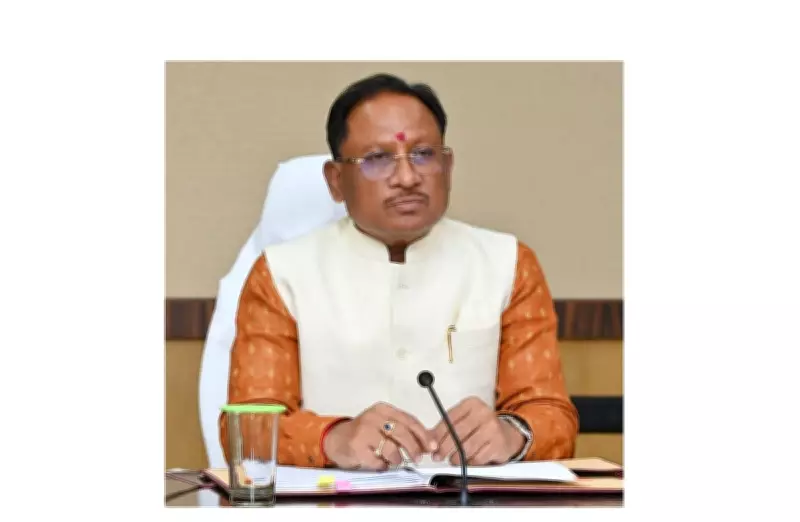
Chief Minister Shri Vishnu Deo Sai has announced a transformative roadmap for the development of Chhattisgarh, unveiled during the two-day Chintan Shivir 3.0. The conclave focused on governance reforms, tourism, artificial intelligence, agriculture, and district-led growth as key pillars to achieve the vision of a developed state, or 'Viksit Chhattisgarh'.
Key Focus Areas: Governance, Tourism, AI, and Agriculture
The Chintan Shivir 3.0, held over two days, brought together policymakers, experts, and stakeholders to deliberate on strategies for holistic development. Chief Minister Sai emphasized that governance reforms would streamline administrative processes, making them more efficient and citizen-centric. Tourism was identified as a major driver for economic growth, with plans to promote Chhattisgarh's rich cultural heritage and natural landscapes. Artificial intelligence (AI) and technology were highlighted as tools to modernize agriculture and improve productivity, while district-led growth aims to decentralize development and empower local communities.
District-Led Growth and Decentralization
A significant outcome of the shivir was the emphasis on district-led growth, where each district will develop its own tailored development plan based on local resources and challenges. This approach is expected to accelerate progress by leveraging grassroots knowledge and fostering competition among districts. The Chief Minister stated, 'Our goal is to ensure that every district contributes to the state's overall development, and no region is left behind.' This strategy aligns with the broader vision of Viksit Chhattisgarh, aiming for balanced and inclusive growth.

Tourism and Cultural Promotion
Tourism emerged as a central theme, with plans to develop new circuits and improve infrastructure at key destinations. The state government intends to showcase Chhattisgarh's tribal culture, wildlife sanctuaries, and historical sites to attract both domestic and international tourists. According to officials, the tourism sector has the potential to create significant employment opportunities and boost local economies. The Chintan Shivir also discussed leveraging digital platforms for tourism promotion and enhancing visitor experiences through AI-driven solutions.
Agriculture and AI Integration
Agriculture, a backbone of Chhattisgarh's economy, received special attention with a focus on integrating artificial intelligence to improve crop yields, optimize resource use, and provide real-time data to farmers. The government plans to launch pilot projects in select districts to demonstrate the benefits of AI in agriculture, including precision farming and weather forecasting. 'Technology will empower our farmers to make informed decisions and increase their income,' said an agriculture department official. The roadmap also includes measures to strengthen irrigation infrastructure and promote sustainable farming practices.
Governance Reforms and Citizen Services
Governance reforms were outlined to enhance transparency and efficiency in public service delivery. The Chintan Shivir proposed the digitization of government processes, simplification of procedures, and the establishment of a single-window clearance system for businesses. These reforms are expected to reduce bureaucratic delays and improve the ease of doing business in the state. Chief Minister Sai reiterated the government's commitment to good governance, stating, 'We are dedicated to creating a system that is responsive, accountable, and people-friendly.'
Conclusion and Next Steps
The Chintan Shivir 3.0 concluded with a clear action plan, with each department tasked to implement the recommendations within a specified timeframe. The Chief Minister urged all stakeholders to work collectively towards the shared goal of a developed Chhattisgarh. The roadmap is seen as a comprehensive blueprint that addresses key sectors while ensuring sustainable and inclusive growth. As the state moves forward, the focus will remain on execution and monitoring to translate these plans into tangible outcomes for the people of Chhattisgarh.