

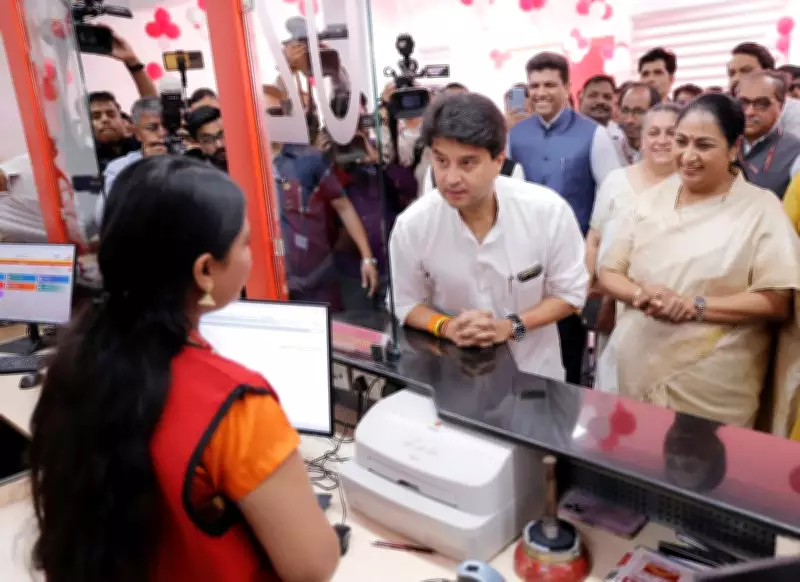
Delhi Chief Minister Rekha Gupta officially inaugurated the redeveloped Jan Seva Connect Post Office in the national capital, marking a significant step towards modernizing public service delivery. The upgraded facility now features state-of-the-art digital kiosks, expanded counters, and dedicated spaces for senior citizens and persons with disabilities.
Enhanced Services and Modern Amenities
The redeveloped post office aims to provide seamless access to over 150 government services under one roof. These include Aadhaar updates, passport applications, utility bill payments, and banking services. The integration of digital kiosks allows citizens to self-service many processes, reducing waiting times. Additionally, the facility has been equipped with free Wi-Fi, comfortable seating, and a children's play area to create a more welcoming environment.
Focus on Accessibility and Efficiency
CM Rekha Gupta emphasized the government's commitment to improving citizen experience through infrastructure upgrades. She stated, "The Jan Seva Connect model ensures that essential services reach the doorstep of every Delhiite with efficiency and transparency." The post office also includes a help desk with trained staff to assist visitors with digital transactions.

The redevelopment project was completed at a cost of Rs 2.5 crore and is part of a larger initiative to transform 50 post offices across Delhi into Jan Seva Connect hubs. These centers will serve as one-stop solutions for government services, reducing the need for multiple visits to different departments.
Local residents expressed their appreciation for the upgraded facilities. "Earlier, we had to wait for hours, but now everything is faster and more convenient," said Rajesh Kumar, a resident of the area. The initiative aligns with the Digital India campaign, promoting e-governance and paperless services.
The inauguration event was attended by senior officials from the Postal Department and the Delhi government. The Jan Seva Connect Post Office is expected to serve over 5,000 citizens daily, significantly easing the burden on other government offices.






