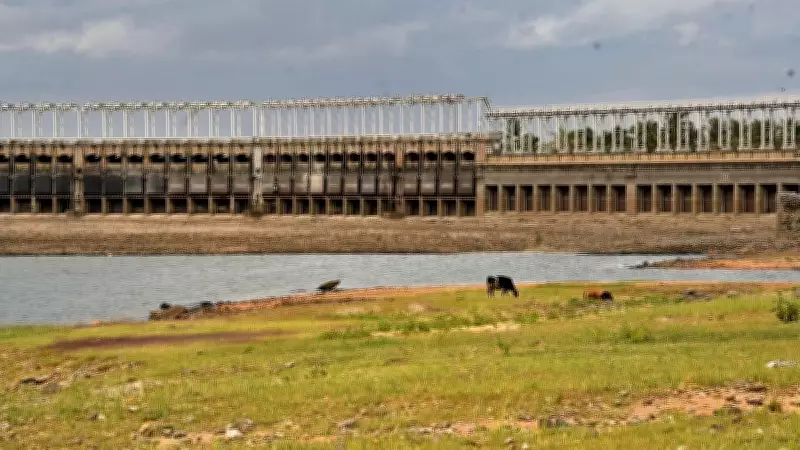
CWMA Meeting to Address Cauvery Water Sharing
The Cauvery Water Management Authority (CWMA) is set to review the current water situation in the Cauvery basin today. The meeting comes as Tamil Nadu is expected to press for the release of the remaining portion of its June allocation of 9.19 thousand million cubic feet (tmcft) of water from Karnataka's reservoirs. This request is based on the directives of the Cauvery Water Disputes Tribunal and the Supreme Court's final award.
Background of the Dispute
The Cauvery water-sharing dispute between Tamil Nadu and Karnataka has been a long-standing issue, with both states relying heavily on the river for agriculture and drinking water. The CWMA was established to implement the Supreme Court's 2018 judgment, which allocated water to the four riparian states: Karnataka, Tamil Nadu, Kerala, and Puducherry. According to the award, Karnataka must release 177.25 tmcft of water to Tamil Nadu annually, with monthly schedules.
Tamil Nadu's Demand for June Allocation
For June, Karnataka is required to release 9.19 tmcft to Tamil Nadu. However, Tamil Nadu has reported receiving less than the scheduled quantity so far. The state is expected to argue that the shortfall could impact the ongoing samba crop and drinking water supplies. According to sources, Tamil Nadu will present data on the inflow and storage levels in its reservoirs to support its demand.

Karnataka's Position
Karnataka, on the other hand, may cite its own water scarcity concerns. The state has faced below-normal rainfall in some parts of the Cauvery basin, leading to reduced storage in its major reservoirs like Kabini and Krishnarajasagara. Karnataka officials are likely to request flexibility in the release schedule, citing the need to ensure drinking water for cities like Bengaluru and Mysuru.
CWMA's Role and Previous Decisions
The CWMA has the authority to review and modify the monthly water release schedules based on real-time hydrological data. In previous meetings, the authority has balanced the demands of both states by considering factors like rainfall, reservoir levels, and crop requirements. The CWMA's decisions are binding on all parties, and failure to comply can result in penalties.
Expected Outcomes
Today's meeting is expected to result in a directive for Karnataka to release the pending water or a revised schedule if justified by hydrological conditions. The CWMA may also set a timeline for compliance. Both states have been urged to cooperate to avoid escalation of tensions, especially during the monsoon season when water availability is critical.
Wider Implications
The Cauvery water dispute has often led to protests and political friction between the two states. A timely resolution by the CWMA is crucial to maintain peace and ensure equitable distribution. The meeting will be closely watched by farmers and policymakers in both states, as it sets the tone for water sharing in the coming months.