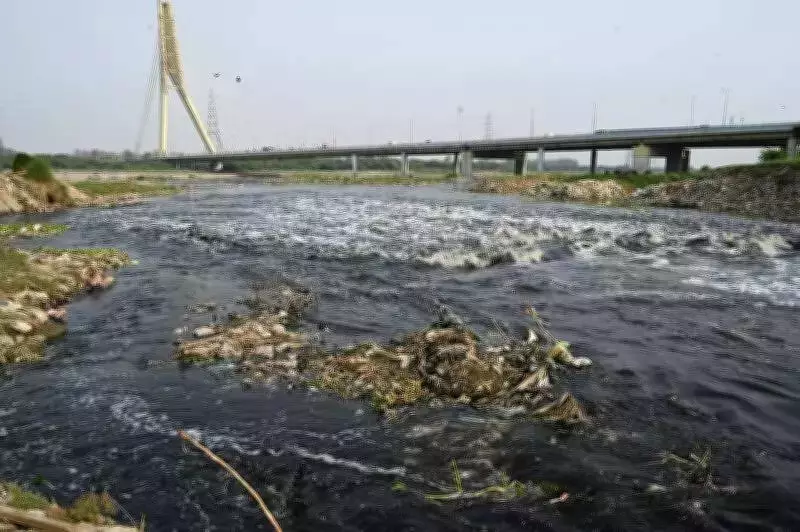
Delhi Government Greenlights Major Rs 454 Crore Road Corridor Along Najafgarh Drain
In a significant move to enhance urban infrastructure, the Delhi government on Tuesday approved a Rs 454 crore project for constructing a nearly 61-kilometer-long road corridor along both sides of the Najafgarh drain. Chief Minister Rekha Gupta announced that this ambitious initiative, slated for completion by November 2027, aims to alleviate traffic congestion and bolster connectivity between the city and its rural peripheries.
Project Details and Strategic Benefits
The project, sanctioned during a meeting of the finance expenditure committee chaired by the Chief Minister, involves building a two-lane road along the drain. This will create an alternative intra-city route designed to reduce pressure on arterial roads, cut travel time and fuel consumption, and lower vehicular emissions. Government officials highlighted that the corridor will span a total developed length of 60.7 kilometers across both banks of the drain.
Key stretches include:

- A 5.9-kilometer section on the left bank from Jhatikra Bridge to Chhawla Bridge.
- Roads on both sides for 27.4 kilometers from Chhawla to Basaidarapur.
Enhanced Connectivity and Intersections
The proposed corridor will intersect with several major roadways, significantly improving network integration. It will link with:
- Outer Ring Road at Keshopur
- Inner Ring Road at Basaidarapur
- Pankha Road at Vikaspuri
- Najafgarh Road at Kakrola
- UER-II at Dhulsiras, providing direct access to IGI Airport and Dwarka Expressway
This connectivity is expected to benefit both urban and rural areas of Delhi, including neighborhoods such as Uttam Nagar, Vikaspuri, Najafgarh, Bijwasan, Chhawla, Goyla Dairy, Dwarka, Baprola, Nilothi, Paschim Vihar, and Rajouri Garden. Additionally, it will improve access to Gurgaon's Sectors 104 and 110.
Rural Access and Environmental Features
Several villages connected to the Dwarka Expressway, including Galibpur, Rawta Mor, Daurala, Jhuljhuli, Sarangpur, Dhansa, Ghummanhera, Shikarpur, Jhatikra, Kanganheri, and Chhawla, are set to gain improved access to key city routes. The project also aims to protect government land along the drain.
Infrastructure enhancements will include:
- A road approximately 7 meters wide with dedicated tracks for walking, jogging, and cycling.
- A new bridge near the Dwarka metro depot to facilitate smoother movement.
- Landscaping, tree planting, street lighting, and signage installation.
- Drainage systems to prevent waterlogging during monsoon seasons.
- Construction or repair of boundary walls as needed.
Approvals and Timeline
The project has already received sanction from the technical committee and flood control board. The government plans to secure administrative approvals by next month, complete the tendering process by April, and commence construction in May. This structured timeline underscores the administration's commitment to timely execution and urban development.