

Delhi Takes Major Step with Advanced Dredger to Clean Najafgarh Drain
New Delhi witnessed a significant development in its fight against Yamuna pollution on Friday. The city's irrigation and flood control department officially put into service a state-of-the-art amphibian multipurpose dredger, known as the Watermaster. This advanced machinery, along with three hopper barges, will operate in the Najafgarh Drain. This drain alone contributes nearly seventy percent of the total pollution load entering the Yamuna River.
Minister Inaugurates Technology-Driven Initiative
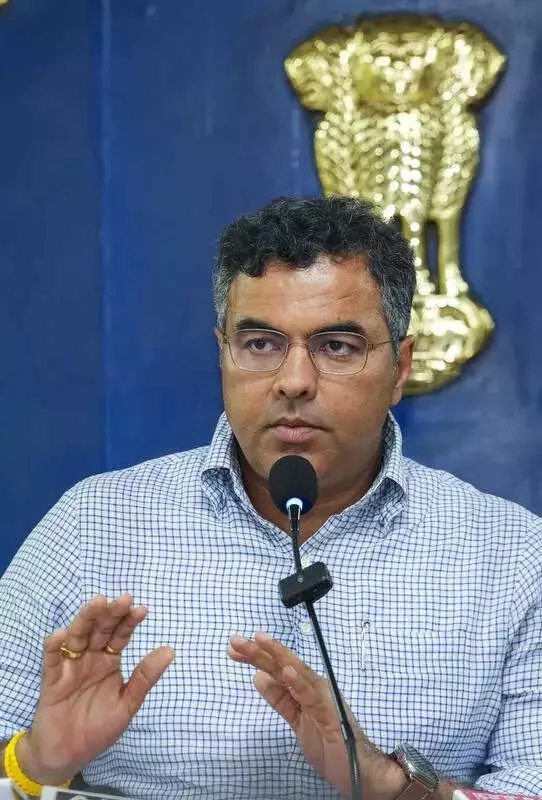
Irrigation and Flood Control Minister Parvesh Verma personally commissioned the new equipment. Officials described this move as a clear shift towards technology-driven, large-scale, and sustained action. The primary goal is to address the persistent problems of silt, sludge, floating waste, and water hyacinth accumulation in Delhi's major drains.
The newly deployed Watermaster dredger comes from Finland. It is a highly versatile machine capable of operating efficiently in varied conditions. It can work from dry land all the way into water depths reaching up to six meters.

Capabilities and Specifications of the New Machinery
This dredger is designed for multiple complex tasks. It can handle dredging, raking, piling, sludge removal, and weed clearance. These capabilities make it perfectly suited for challenging and congested systems like the Najafgarh Drain.
The machine boasts impressive technical features. It comes equipped with four stabilizers for steady operation. A flexible excavator arm provides a full 180-degree range of movement. The dredger also includes a substantial 600-liter backhoe bucket for material handling.
Powering the unit is a Caterpillar engine cooled by an air-water radiator. Modern technology integrates into its operations with GPS-based tracking and a precise fuel sensor. The dredger's sludge pumping capacity stands at an impressive 600 cubic meters per hour. It can discharge this material over a distance of up to 1.5 kilometers. This capability dramatically enhances the department's power to remove accumulated waste. The total cost for this advanced dredger amounted to Rs 803.78 lakh.
Support Fleet of Hopper Barges
To support the dredging operations, the department also deployed three self-propelled and self-unloading hopper barges. Each barge carries a price tag of Rs 1.75 crore, bringing the total cost for the three to Rs 5.25 crore. These barges will play a crucial supporting role. They will assist in backhoe dredging operations and help remove hyacinth and other floating materials from the water. Each barge has a substantial carrying capacity of 12 cubic meters.
Minister's Statement on Yamuna Cleanup Resolve
Minister Parvesh Verma emphasized the critical importance of the Najafgarh Drain. He stated clearly, "Najafgarh Drain is the biggest contributor to the Yamuna pollution. If we are serious about cleaning the river, this drain has to be treated with the best available technology and continuous monitoring."
He highlighted the global standard of the new equipment. "The dredger represents a global standard in operations. Our approach is outcome-based. If the performance of this machinery meets expectations, more such advanced machines will be deployed at different locations across the river and its drains," Verma explained.
The minister framed this commissioning as part of a broader, action-oriented strategy. "Cleaning the Yamuna is not about announcements. It is about sustained action on the ground. This commissioning reflects our resolve to address pollution, improve drainage capacity, and prevent flooding with permanent and scientific solutions," he asserted.
Expected Impact Ahead of Monsoon Season
The deployment of this advanced dredging fleet marks a pivotal moment for Delhi's environmental efforts. It is expected to significantly strengthen the city's ongoing campaign to restore the health of the Yamuna River. Furthermore, this initiative aims to improve the capital's overall flood resilience, a critical concern as the monsoon season approaches. The move signals a committed, technological push towards lasting solutions for one of Delhi's most pressing environmental challenges.






