

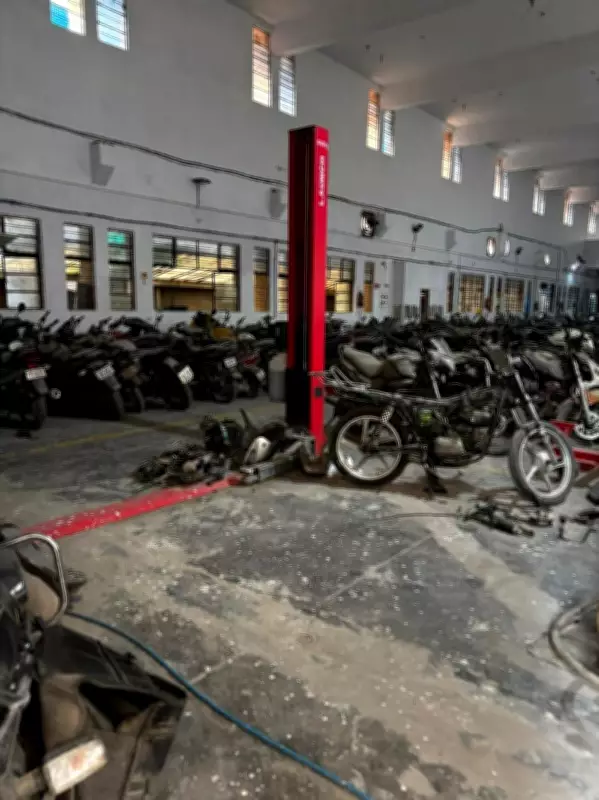
Delhi's ambitious end-of-life vehicle policy, aimed at reducing pollution and promoting sustainable transportation, is facing significant hurdles due to the availability of only a single operational scrapping facility in the city. This limitation has led to bottlenecks in the disposal of old and unfit vehicles, undermining the policy's effectiveness.
Policy Overview
The policy, which mandates the scrapping of vehicles older than 15 years for diesel and 20 years for petrol, was introduced to curb vehicular emissions and improve air quality. However, with just one facility currently operational, the process has been slow and inefficient, causing long waiting periods for vehicle owners.
Challenges Faced
- Limited Capacity: The lone facility cannot handle the high volume of vehicles that need to be scrapped, leading to delays.
- Inconvenience for Owners: Vehicle owners face difficulties in finding a nearby scrapping center, often having to travel long distances.
- Environmental Impact: Delays in scrapping mean older, more polluting vehicles remain on the roads longer.
Experts suggest that the government needs to expedite the establishment of more scrapping facilities across the city to meet the demand. They also recommend incentives for vehicle owners to voluntarily scrap their old vehicles.

Government Response
The Delhi government has acknowledged the issue and is working on setting up additional facilities. However, progress has been slow due to bureaucratic hurdles and land availability issues. Officials have assured that more facilities will become operational in the coming months.
Meanwhile, the single operational facility continues to operate at full capacity, processing around 100 vehicles per day. The government is also exploring public-private partnerships to speed up the process.
Way Forward
To make the policy successful, it is crucial to expand the scrapping infrastructure. This includes setting up facilities in different parts of the city to ensure easy access for all residents. Additionally, awareness campaigns can help educate vehicle owners about the benefits of scrapping old vehicles.
In conclusion, while Delhi's end-of-life vehicle policy is a step in the right direction, its success hinges on the availability of adequate scrapping facilities. Without them, the policy risks becoming ineffective.






