

Delhi's Electric Vehicle Charging Infrastructure Sees Unprecedented Growth
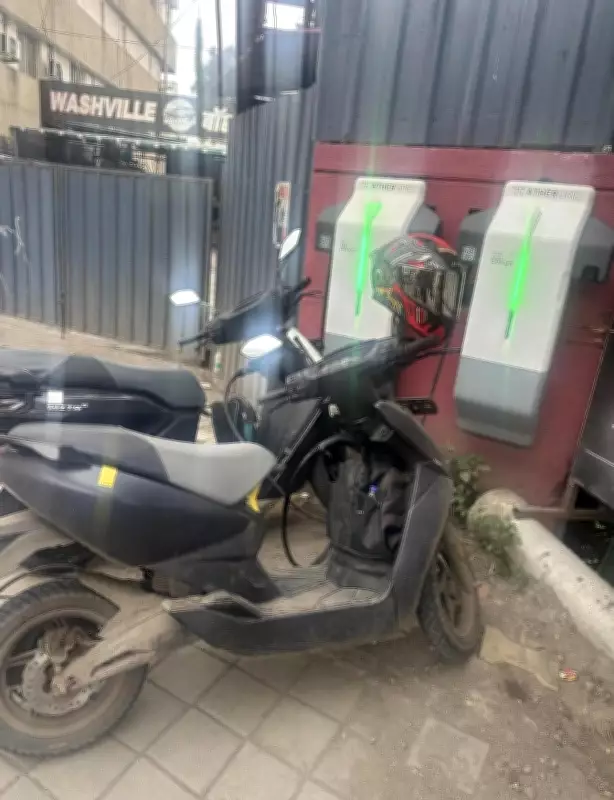
In a major push for sustainable mobility, power distribution companies (discoms) in Delhi are accelerating the expansion of electric vehicle (EV) charging infrastructure. According to recent data, BSES has facilitated the installation of 1,600 charging points and battery-swapping stations, while Tata Power-DDL has added 1,641 in the fiscal year 2025-26. This represents the highest number of installations in a single year, significantly boosting the city's EV ecosystem.
Cumulative Network Reaches New Heights
The cumulative network of BSES now exceeds 6,500 EV charging points across more than 3,400 locations in south, west, east, and central Delhi. Meanwhile, Tata Power-DDL, which supplies power to north and northwest Delhi, has energized 3,783 points to date. An official from Tata Power-DDL highlighted key demand hubs, including Rohini, Pitampura, Civil Lines, Model Town, and Shalimar Bagh. "We plan to facilitate 3,000 more charging stations in the coming year, further enhancing Delhi's EV infrastructure," the official stated.
Private and Public Charging Expansion
Within BSES areas, nearly half of the charging points are private, largely driven by residential demand. However, public and captive charging infrastructure is also expanding steadily. The total EV charging load in these areas has surged dramatically from 24 megawatts (MW) in 2018-19 to over 227 MW currently. Projections indicate this load could reach 375 MW within the next two years, reflecting the rapid adoption of electric vehicles.

Government Support and Policy Initiatives
Power Minister Ashish Sood emphasized the Delhi government's commitment to strengthening the EV ecosystem. "The draft EV policy has been placed in the public domain, and adequate budgetary provisions have been made to ensure no shortage of funds in driving this transition," he said. Sood added that the focus is on facilitating EV users by ensuring seamless access to charging infrastructure and reliable services. "We are committed to fast-tracking Delhi's shift to clean and sustainable mobility by rapidly expanding EV charging points and battery-swapping stations," he noted. Efforts are also underway to upgrade the power transmission and distribution network to meet rising demand.
Addressing Range Anxiety and Boosting Adoption
Sood pointed out that the significant addition of charging infrastructure by discoms over the past year reflects the government's sustained push to eliminate range anxiety among EV users. "Through this scale-up, in close collaboration with discoms, we aim to build a robust ecosystem that supports growing EV adoption, reduces pollution, and positions Delhi as a leader in electric mobility," he emphasized. This initiative aligns with broader environmental goals, as electric vehicles now account for 14-15% of new vehicle registrations in Delhi, significantly higher than the national average of about 8%.
The expansion efforts underscore a concerted drive towards a greener future, with discoms playing a pivotal role in transforming Delhi's transportation landscape.






