Delhi Government Plans Expansion of Digital Twin Technology in Power Sector
The Delhi government is actively planning to expand the implementation of digital twin technology across the power distribution sector. This innovative approach enables operators to detect potential fault scenarios proactively before taking any field-level corrective actions.
Janakpuri: The Pioneering Pilot Project
The first large-scale deployment of this technology is already operational in west Delhi's Janakpuri area. Here, BSES Rajdhani Power Limited (BRPL) has successfully implemented a real-time Digital Twin of its entire electricity distribution network. A digital twin represents a virtual, continuously updated replica of a physical infrastructure system.
In Janakpuri, this digital replica meticulously mirrors substations, feeders, transformers, and even individual consumer meters. The sophisticated platform integrates multiple systems including SCADA controls, GIS mapping, IoT sensors, smart meters, and enterprise systems into a single, comprehensive digital dashboard.

Enhanced Monitoring and Predictive Capabilities
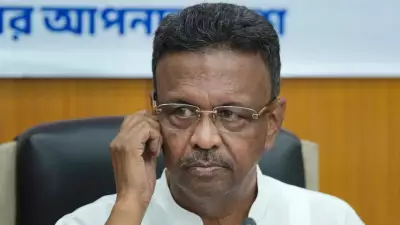
Engineers utilizing this system can visualize real-time electricity flows, monitor equipment health parameters, and simulate various possible fault scenarios before initiating any physical interventions. Power Minister Ashish Sood emphasized: "We are testing this technology and it has demonstrated efficiency thus far. We intend to implement it in additional locations, and since this represents a significant investment, we will also seek assistance from the Central Government."
The system was prominently featured at the recently concluded AI Impact Summit held at Bharat Mandapam, where organizers provided a live demonstration showcasing how artificial intelligence is being leveraged to monitor and manage power supply networks effectively.
AI-Driven Predictive Analytics
A senior official explained that unlike conventional systems that typically respond only after a breakdown occurs, the digital twin employs advanced AI-driven analytics to predict potential failures before they happen. The system can:
- Flag abnormal load patterns
- Detect stress on transformers
- Enable automated fault isolation through remote switching capabilities
This predictive approach significantly reduces outage durations and minimizes the necessity for manual intervention during power disruptions.
Interactive Network Mapping
Similar to Google Maps, the digital twin creates a dynamic, interactive map of the electricity network that updates continuously in real time. This visualization displays:
- Live power flows throughout the system
- Equipment status across all components
- Fault locations at substations, feeders, and transformers
Engineers can seamlessly zoom from a city-level overview down to specific transformers or even individual consumer meters, providing unprecedented granularity in network monitoring.
Consumer Benefits and System Advantages
For electricity consumers, the practical benefits are expected to manifest as:
- Fewer and shorter power cuts
- Quicker restoration during fault conditions
- Improved voltage stability during peak demand periods
The system also enhances load forecasting capabilities, allowing utilities to prepare more effectively for summer demand spikes. By identifying unusual consumption patterns at both feeder and meter levels, it can additionally help curb power theft and reduce technical losses within the distribution network.
Physical Infrastructure Upgrades
Parallel to the digital implementation, substantial physical upgrades are underway in the Janakpuri division. These improvements include:
- Approximately 2.5 kilometers of overhead cables relocated underground
- Nearly 400 metering installations upgraded
- 17 smart feeder pillars installed to enable faster fault detection
- Older oil-filled transformers replaced with safer dry-type units
Once fully completed, Janakpuri could potentially become Delhi's first completely digitized and live-monitored power distribution zone.

Future Expansion and Broader Implications
Officials indicated that lessons learned from the Janakpuri pilot project could inform wider adoption of digital twin systems across other parts of the city. If expanded comprehensively across utilities and civic infrastructure, this technology could play a crucial role in:
- Improving service reliability for consumers
- Strengthening grid resilience against disruptions
- Supporting Delhi's broader smart city development plans
The integration of digital twin technology with artificial intelligence represents a significant advancement in urban infrastructure management, potentially transforming how cities monitor, maintain, and optimize essential services like electricity distribution.