

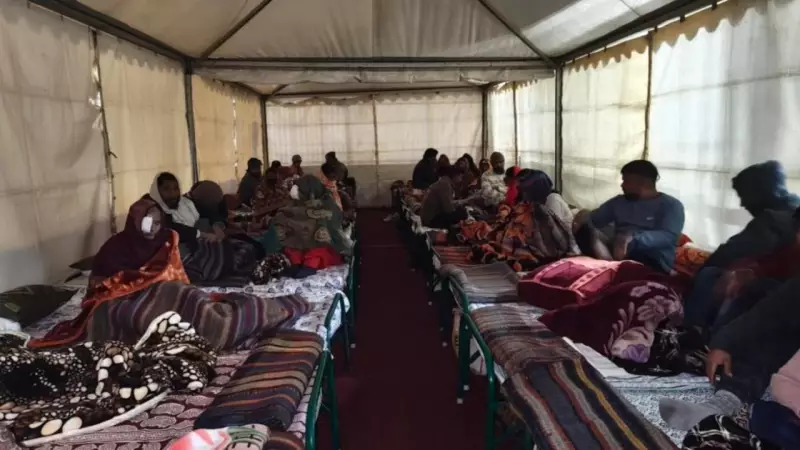
The Delhi government has ramped up its efforts to shield homeless individuals from the biting winter cold. Authorities are expanding night shelter facilities and boosting rescue operations, particularly around major hospitals in the capital.
Focus on Hospital Vicinities
Special attention is being directed towards areas surrounding AIIMS–Safdarjung and G B Pant Hospital. These locations often see a significant number of destitute people sleeping outdoors in harsh conditions.
The Delhi Urban Shelter Improvement Board (DUSIB), in collaboration with shelter management agencies, is now conducting regular night drives. Teams actively search for homeless persons and relocate them to safe shelters.

Increased Shelter Capacity
Shelter capacity around the AIIMS–Safdarjung area has been notably increased to 350 beds. This expansion includes adding three more temporary 'pagoda' shelters to the existing 32, which already provide 320 beds.
Furthermore, temporary shelter arrangements with proper beds and bedding have been established in subways near hospitals to offer immediate refuge.
Recent Rescue Operations
Under a recent midnight drive, approximately 75 homeless individuals were successfully rescued from the AIIMS–Safdarjung area and moved to shelters. This operation highlights the government's proactive approach.
Winter Action Plan in Full Swing
Chief Minister Rekha Gupta detailed the ongoing initiatives. Under the Winter Action Plan 2025–26, around 250 temporary pagoda night shelters have been set up across Delhi. These are strategically placed in sensitive and high-footfall locations.
Additionally, DUSIB operates 197 permanent round-the-clock shelters throughout the city. All these facilities are fully equipped with essential amenities like bedding, meals, sanitation, and drinking water.
Near G B Pant Hospital, eight temporary pagoda shelters with a capacity of 80 beds have been specifically established to address local needs.
Nightly Inspections and Coordination
Agencies managing the night shelters are conducting inspections every night between 10 pm and 4 am. Their goal is to identify people sleeping in unsafe spots and bring them to shelters promptly.
A central control room is functioning round-the-clock to coordinate all rescue and shelter operations efficiently. This ensures a swift and organized response to emergencies.
The combined efforts aim to provide a safety net for Delhi's most vulnerable during the coldest months, ensuring no one is left out in the cold.






