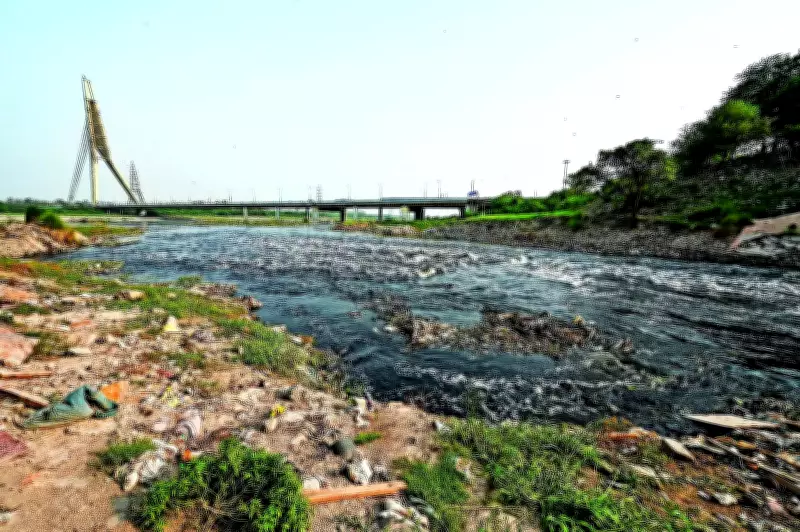
New Delhi: In a major initiative to clean the Yamuna River, the Delhi government has awarded work for 12 new decentralised sewage treatment plants (DSTPs) in the Najafgarh area at an estimated cost of around Rs 860 crore. These projects aim to curb pollution flowing into the river through the Najafgarh drain, the capital's largest conduit of untreated sewage.
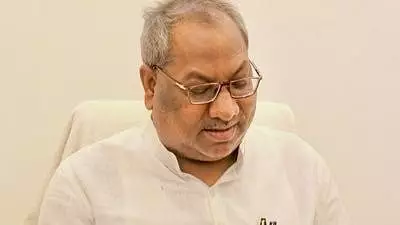
Water Minister Parvesh Verma stated that many colonies and villages in Najafgarh continue to discharge untreated sewage directly into the drain, significantly adding to the Yamuna's pollution burden. He noted that this has remained a key environmental challenge for years and that the government is now moving towards a permanent solution. Work orders have been issued for installing DSTPs at 12 locations, including Kair, Kakrola, Galibpur, Jaffarpur, and Kazipur-Shikarpur. These plants will ensure sewage is treated locally before it enters the drain network.
Treatment Capacity and Beneficiaries
The projects have a combined treatment capacity of 46.5 million gallons per day (MGD) and are expected to benefit over seven lakh residents across villages and unauthorised colonies in outer Delhi. Funding is being provided under the Atal Mission for Rejuvenation and Urban Transformation (AMRUT) scheme, which supports urban sewerage, drainage, and water supply infrastructure.

Major Packages
The largest package includes a 17 MGD DSTP at Mitraon, which will serve 81 unauthorised colonies and three villages with an estimated population of 3.66 lakh. Four additional DSTPs at Kair, Kanganheri, Kakrola, and Dichaon Kalan will cater to around 2.2 lakh residents. Smaller plants at Galibpur, Sarangpur, Shikarpur, Hasnapur, Jaffarpur, Kazipur, and Khera Dabar will serve rural pockets of southwest Delhi.
Long-Term Maintenance
Officials said the Rs 860 crore outlay covers both construction and 15 years of operation and maintenance, with executing agencies responsible for long-term upkeep and performance of the facilities. This move is part of the BJP government's broader Yamuna-cleaning push, which has emerged as a priority under Chief Minister Rekha Gupta. The government has repeatedly stressed that reducing the discharge of untreated sewage into major drains is central to rejuvenating the river.
Significance of Najafgarh Drain
Among Delhi's drains, the Najafgarh drain is considered the most critical as it carries wastewater from large parts of west and southwest Delhi into the Yamuna. Environmental agencies have long identified it as one of the biggest contributors to river pollution in the capital. Decentralised sewage treatment is being prioritised in outer Delhi because many villages and unauthorised colonies remain outside the conventional sewer network. DSTPs allow sewage to be treated closer to its source, reducing direct discharge into drains and easing pressure on larger sewer infrastructure.
Additional Infrastructure Projects
Alongside the DSTP projects, the government has approved the upgradation of the Keshopur sewage treatment plant from 12 MGD to 18 MGD at a cost of Rs 122 crore, rehabilitation of a 40-year-old trunk sewer line in Trilokpuri for about Rs 57 crore, and construction of a new underground reservoir and booster pumping station at Rohtas Nagar in Shahdara. The Delhi Jal Board will also take up construction and restoration of rainwater harvesting structures across departments, while groundwater experts and social mobilisers will be hired to strengthen water conservation efforts.