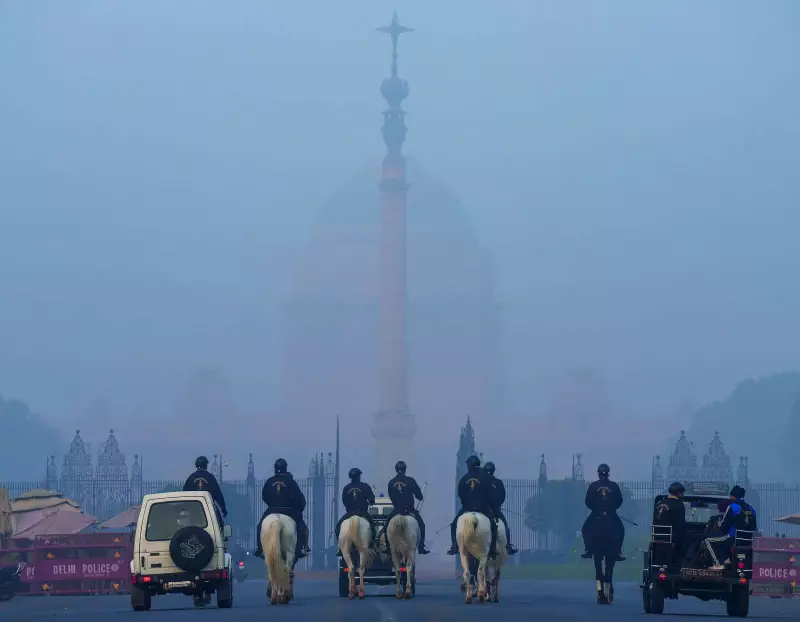
In a decisive move to tackle the capital's hazardous air quality, the Delhi government on Wednesday announced stringent measures, including mandatory work-from-home rules for offices and a complete ban on non-essential construction. The order, which comes into effect from Thursday, is part of the Graded Response Action Plan (GRAP) Stage IV, the highest level of anti-pollution curbs.
Strict Work-From-Home Norms and Car-Pooling Push
The government has directed both its own offices and private establishments to operate with only 50% of their staff physically present. The remaining half must work from home. Delhi's Labour Minister, Kapil Mishra, emphasized that offices must strictly enforce these norms and actively motivate employees to adopt car-pooling. The labour department later issued an advisory, warning that non-compliance is punishable under the Environment (Protection) Act, 1986.
However, these work-from-home provisions will not apply to essential services. The exemption list includes:

- Hospitals and all health services
- Fire and emergency services
- Prison administration and public transport
- Electricity services and pollution control departments
- Forest department and the Delhi Jal Board
Minister Mishra also stated that offices are being encouraged to implement flexible working hours to further reduce peak-hour traffic and emissions.
Financial Aid for Construction Workers Amid Ban
Under the GRAP Stage IV restrictions, all construction and demolition activities in the city have been suspended. Recognizing the severe impact this has on daily-wage earners, the government announced a relief package. Each registered construction worker in Delhi will receive a one-time financial assistance of ₹10,000 to compensate for the loss of livelihood during this 16-day halt.
"Taking this concern into account, Delhi govt has decided to compensate workers for the loss of income caused by the suspension of construction work," Kapil Mishra said. As of December 17, there are 2,57,244 workers registered with the Delhi Building and Other Construction Workers Welfare Board, with registrations being an ongoing process.
GRAP Stage IV: The Full Spectrum of Curbs
The implementation of GRAP Stage IV brings a host of other strict measures aimed at reducing pollution sources. Key actions include:
A complete ban on construction and demolition work across the National Capital Region, with exemptions only for essential railway, metro, airport, and defense projects.
Diesel trucks not carrying essential commodities are barred from entering Delhi. The government has also announced that fuel will not be provided to vehicles without a valid Pollution Under Control (PUC) certificate.
These emergency steps highlight the severe and persistent air quality crisis in Delhi-NCR, pushing authorities to adopt drastic measures to protect public health. The success of these interventions now hinges on strict enforcement and public cooperation.