

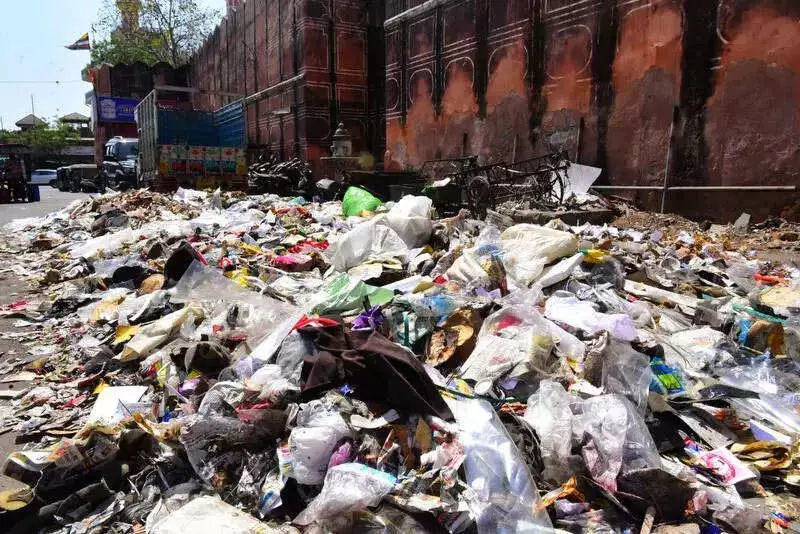
In a significant push to enhance public health and urban livability, the Municipal Corporation of Delhi (MCD) has executed large-scale cleanliness and sanitation operations across several key zones of the national capital. These intensive drives aimed at improving hygiene standards, clearing accumulated solid waste, and mitigating the persistent issue of dust pollution.
Major Operation in Karol Bagh Zone
One of the most substantial efforts was concentrated in the Karol Bagh zone. Here, the civic body conducted an intensive sanitation drive covering Budh Mandir Road No. 3 and Hardiyan Singh Road, located within Ward 84. The operation spanned an area of approximately 2 square kilometers and was carried out in close coordination with the Public Works Department (PWD).
Detailing the scale of the initiative, Deputy Commissioner Mamta Yadav stated that significant manpower and machinery were mobilized for the task. The deployed resources included a fleet of trucks, tippers, loaders, and e-rickshaws. To specifically address dust, the MCD utilized an anti-smog gun, a water sprinkler, and a high-pressure jetting machine.

The human effort behind this drive was considerable, with around 80 safai karamcharis (sanitation workers) and 10 beldars (laborers) participating on the ground. Their concerted work led to the successful removal of nearly 5 metric tonnes of garbage from the area, providing much-needed relief and a cleaner environment for residents and businesses.
Central Zone Joins the Cleanliness Initiative
Parallelly, the Central zone of the MCD organized its own large-scale sanitation drive. The focus here was on the Jasola Puliya area, specifically targeting the Jasola Vihar Main Road stretch from JD Birla Marg to Pocket-11. This operation also saw collaborative support from the PWD and the Delhi Development Authority (DDA), highlighting a multi-agency approach to urban management.
Impact and Ongoing Efforts
These coordinated drives represent a proactive step by the MCD to tackle the dual challenges of waste management and air quality, particularly dust pollution which is a major contributor to Delhi's poor air index. The use of specialized equipment like anti-smog guns indicates a move beyond mere garbage collection towards comprehensive dust pollution mitigation.
The removal of 5 tonnes of waste from a relatively small area underscores the volume of legacy waste and litter that accumulates in densely populated urban zones. Such initiatives are crucial not only for immediate aesthetic improvement but also for long-term public health, as they help prevent vector-borne diseases and reduce airborne particulate matter.
While these targeted drives mark significant progress, sustained and regular efforts across all wards will be essential to maintain the gains and foster a culture of cleanliness among citizens. The MCD's action sets a precedent for other zones to follow in the ongoing battle for a cleaner, healthier Delhi.






