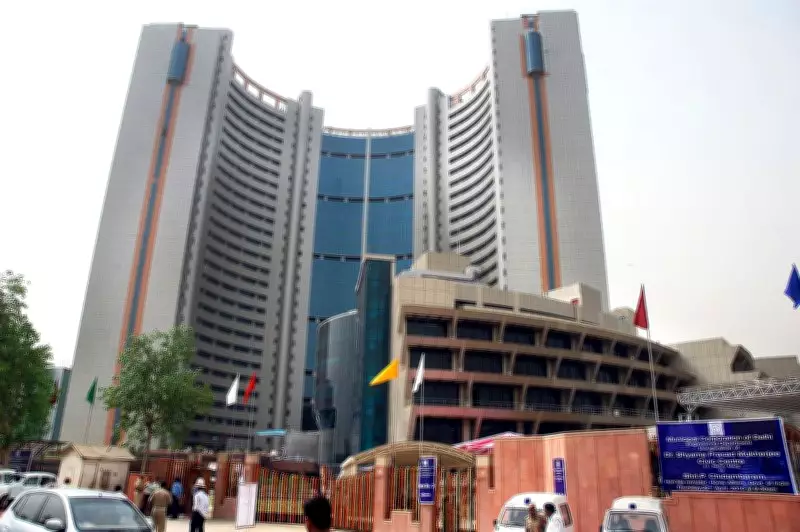
Delhi MCD Proposes Decriminalisation of Minor Civic Offences
The Municipal Corporation of Delhi (MCD) has put forward a significant proposal aimed at decriminalising a range of minor civic offences. This move seeks to shift the focus from legal prosecution to administrative penalties, such as fines, for infractions like littering, spitting in public places, and other similar violations.
Rationale Behind the Proposal
The primary motivation for this proposal is to alleviate the burden on the city's already overstretched judicial system. By decriminalising these minor offences, the MCD aims to reduce the number of cases clogging the courts, allowing them to prioritise more serious crimes. Additionally, this approach is intended to foster a greater sense of civic responsibility among residents, encouraging compliance through financial disincentives rather than fear of criminal records.
Specific Offences Targeted
The proposal specifically targets offences that are currently punishable under various municipal bylaws. These include, but are not limited to:

- Littering in public areas
- Spitting in non-designated zones
- Unauthorised parking in civic spaces
- Minor encroachments on public property
Under the new framework, individuals found committing these acts would face monetary fines instead of potential criminal charges. The exact amounts of these fines are yet to be finalised and will likely be determined through public consultation and municipal approval processes.
Expected Benefits and Challenges
Proponents of the proposal argue that it will lead to more efficient enforcement of civic rules. By simplifying the penalty process, municipal authorities can respond more swiftly to violations, potentially improving urban cleanliness and order. Moreover, it could reduce the stigma associated with minor legal infractions, making it easier for citizens to rectify their mistakes without long-term consequences.
However, critics have raised concerns about the potential for inconsistent enforcement or corruption if fines are not applied uniformly. There are also questions about whether financial penalties alone will be sufficient to deter repeat offenders, especially in cases where individuals may disregard fines.
Next Steps and Implementation
The MCD's proposal is currently in the discussion phase and will require formal approval from the corporation's governing body. If adopted, it would involve amendments to existing municipal laws and bylaws. The implementation would also necessitate training for municipal staff to ensure fair and transparent application of the new fine system.
This initiative aligns with broader trends in urban governance, where cities worldwide are exploring decriminalisation as a tool to manage minor infractions more effectively. In Delhi, it represents a pragmatic step towards modernising civic administration while addressing practical challenges in law enforcement.