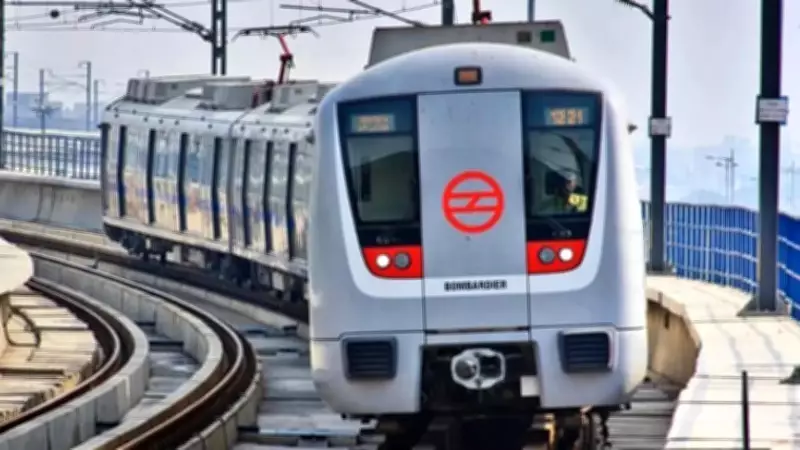
In a significant move to address air quality concerns, the Delhi Metro has successfully completed the installation of mist spray systems and anti-smog guns across all 143 elevated stations in the national capital. Chief Minister Rekha Gupta announced this achievement on Wednesday, highlighting it as a crucial step in the government's ongoing efforts to curb pollution in public spaces.
Comprehensive Coverage Across the Network
According to official data released by the Delhi Metro Rail Corporation (DMRC), the project involved setting up 131 mist spray systems and 12 anti-smog guns. This coverage spans 89 on-road and 54 off-road elevated stations, ensuring a widespread impact. Anti-smog guns were specifically installed at locations where technical constraints prevented the use of mist spray systems, demonstrating a tailored approach to implementation.
Timely Implementation and Strategic Locations
Chief Minister Gupta emphasized that the initiative was completed ahead of the original timeline, describing it as a practical, on-ground measure to enhance air quality in busy areas like metro stations. Data indicates that 20 anti-smog guns were already in place by November 2025, with an additional 10 added by the end of January this year. Key installations include stations such as Kashmere Gate, IT Park, Anand Vihar, Punjabi Bagh, Peergarhi, and Mundka Depot, among others.

Rapid Progress in Mist Spray Deployment
The rollout of mist spray systems saw steady progress throughout January. Coverage expanded from 43 stations in early January to 131 stations by January 30. When combined with the anti-smog gun installations, this achieved the full target of 143 elevated stations, marking a comprehensive effort to mitigate pollution at transit hubs.
Urban Beautification Efforts Alongside Pollution Control
In addition to pollution control measures, the chief minister highlighted urban beautification initiatives. Artwork has been completed on 50 metro pillars across various corridors, featuring themes of nature, birds, and cultural symbols. This dual focus aims not only to improve air quality but also to enhance the city's visual landscape, creating a more pleasant environment for commuters and residents alike.
Overall, this project represents a holistic approach to urban management, combining environmental sustainability with aesthetic improvements in Delhi's public infrastructure.