Delhi Government Announces Major Revisions to Upcoming Metro Station Names
In a significant move to strengthen the connection between public infrastructure and community identity, the Delhi government on Sunday unveiled new names and modifications for several upcoming metro stations. The revisions, which include both complete renamings and adjustments to composite names, aim to better reflect the historical, social, and cultural character of the areas served.
Key Name Changes and Modifications
The announcement detailed specific alterations to station names that were initially proposed in the Detailed Project Report (DPR) of the Delhi Metro Rail Corporation (DMRC). Notably, two stations received entirely new names: Haiderpur Village replaces the earlier proposed North Pitampura, and Madhuban Chowk takes the place of Pitampura. Additionally, Mayur Vihar Pocket-1 has been changed to Shri Ram Mandir Mayur Vihar.
Seven other stations saw modifications to their names to enhance clarity and local relevance. These include:

- Uttari Pitampura-Prashant Vihar
- Jagatpur-Wazirabad
- Nanak Pyau-Derawal Nagar
- Khanpur-Vayusainabad
- Nanaksar-Sonia Vihar
- Shri Ram Mandir Mayur Vihar
- Mangolpur Kalan-West Enclave
According to officials, these composite names were approved to provide clearer geographical references and ease navigation for commuters.
Decision-Making Process and Rationale
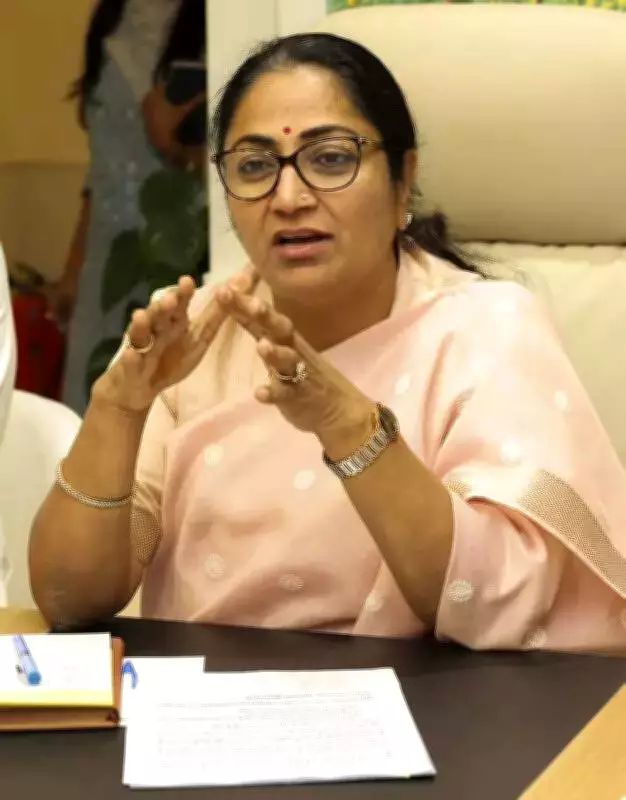
Chief Minister Rekha Gupta, who chairs the State Names Authority (SNA), emphasized that metro stations are not merely transit points but symbols of the areas they represent. "The authority ensured that each station name reflects regional realities and public sentiment. Decisions were taken only after detailed deliberations and factual examination," she stated.
Out of the 21 station names proposed by DMRC, 12 were retained in their original form, seven were modified, and two were completely renamed. The changes were finalized after a thorough review process that considered local identity, historical and cultural significance, and feedback from elected representatives and citizens.
Gupta highlighted that the exercise aims to align station names more closely with established local usage, thereby fostering a stronger bond between the infrastructure and the community it serves.
Stations Retained as Originally Proposed
While several names were revised, a number of stations retained their original proposals. These include:
- Majlis Park
- Bhalaswa
- Haiderpur Badli Mor
- Deepali Chowk
- Yamuna Vihar
- Bhajanpura
- Khajuri Khas
- Soorghat
- Jharoda Majra
- Burari
- Pushpanjali
- Maujpur-Babarpur
A senior official noted that the retention of these names underscores the government's balanced approach, respecting original proposals where they already resonated with local identity.
Broader Implications for Urban Infrastructure
This naming initiative represents a broader effort to integrate public infrastructure with community heritage. By prioritizing local identity in metro station names, the Delhi government seeks to enhance commuter experience and promote cultural awareness. The move is expected to set a precedent for future infrastructure projects, emphasizing the importance of reflecting regional characteristics in urban planning.
As Delhi continues to expand its metro network, such revisions highlight the evolving relationship between transportation systems and the social fabric of the city, ensuring that development aligns with the values and history of its residents.