Delhi Metro's 9.9-km Deepali Chowk-Majlis Park Stretch Nears Launch, Promising Major Traffic Relief
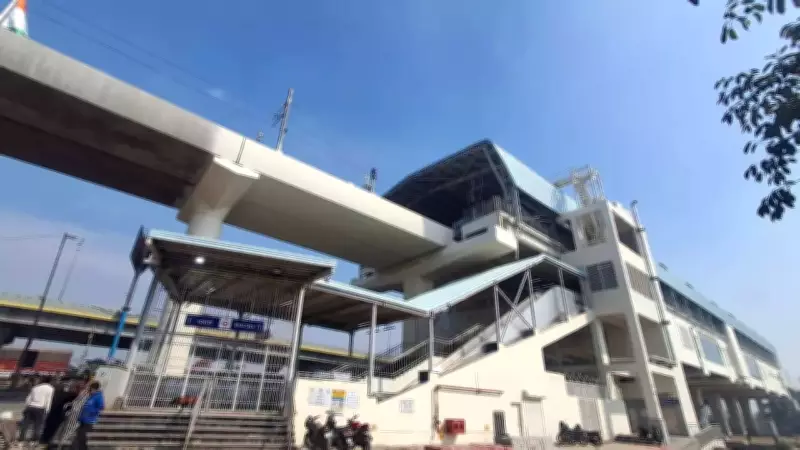
The eagerly awaited 9.9-kilometer fully elevated Deepali Chowk–Majlis Park section of the upcoming Janakpuri West–R K Ashram Marg corridor is now in its final stages, poised to commence operations soon. This crucial extension of the Magenta Line is designed to significantly enhance connectivity between the western and northern sectors of Delhi, marking a pivotal advancement in the city's urban transport infrastructure.
Five New Stations to Serve Dense Neighborhoods
This new stretch will feature five intermediate stations: Pitampura, Prashant Vihar, North Pitampura, Haiderpur Badli Mor, and Bhalswa. These stations are strategically positioned to improve metro access for the densely populated residential areas situated along the Outer Ring Road corridor, ensuring that thousands of daily commuters benefit from a more efficient and reliable public transport option.
Seamless Connectivity Through Three Major Interchanges
Commuters will experience unparalleled convenience with seamless connectivity at three key interchange stations. The stretch integrates with the Red Line at Pitampura, the Yellow Line at Haiderpur Badli Mor, and the Pink Line at Majlis Park. This integration facilitates smoother cross-city travel, eliminating the need for lengthy detours and significantly reducing overall journey times for passengers navigating different parts of the capital.

Significant Traffic Relief for Outer Ring Road
A primary benefit of this new metro section is the anticipated alleviation of congestion on the Outer Ring Road. The 8-kilometer segment from Deepali Chowk to Bhalswa, which runs parallel to this heavily trafficked artery, is expected to draw a substantial number of commuters away from private vehicles. This shift is projected to ease traffic bottlenecks at major choke points, including Pitampura and the Haiderpur Badli Mor/GT Karnal bypass intersection, thereby improving overall traffic flow and reducing travel delays.
Energy-Efficient and Sustainable Design Features
In line with Delhi Metro's commitment to environmental sustainability, the project incorporates several green initiatives. The rolling stock is equipped with regenerative braking systems that recover energy during deceleration, while LED lighting is used throughout the stations and trains to conserve electricity. These features not only reduce the carbon footprint but also contribute to long-term cost savings, aligning with global best practices for eco-friendly urban transport.
Advanced Smart Signalling and Driverless Capability
The corridor is outfitted with state-of-the-art communication-based train control (CBTC) signalling technology, which allows for precise train tracking and management. Additionally, it supports unattended train operation (UTO) capability, enabling driverless functionality. These advanced systems enhance operational efficiency, improve safety standards, and allow for better management of train frequencies, ensuring a more reliable and punctual service for passengers.
Inclusive and Passenger-Friendly Station Amenities
All stations along the stretch are designed with passenger comfort and accessibility in mind. Key amenities include:
- Lifts and escalators for easy vertical movement
- Automatic fare collection gates for swift entry and exit
- Platform screen doors to enhance safety
- Tactile pathways and wheelchair-designated spaces for persons with disabilities
- Accessible designs catering to senior citizens and other mobility-impaired individuals
These features ensure that the metro system is inclusive and convenient for all users, promoting equitable access to public transport.

Part of Broader Phase IV Expansion and Future Plans
The 29.3-kilometer Janakpuri West–R K Ashram Marg corridor is a key component of Delhi Metro's Phase IV expansion. With several other corridors currently under construction and new approvals anticipated under Phase V(A), the metro network is set to undergo significant growth. This ongoing expansion is poised to reshape urban mobility across the capital, offering enhanced connectivity and reducing reliance on private vehicles, thereby contributing to a more sustainable and efficient transportation ecosystem for Delhi's residents.