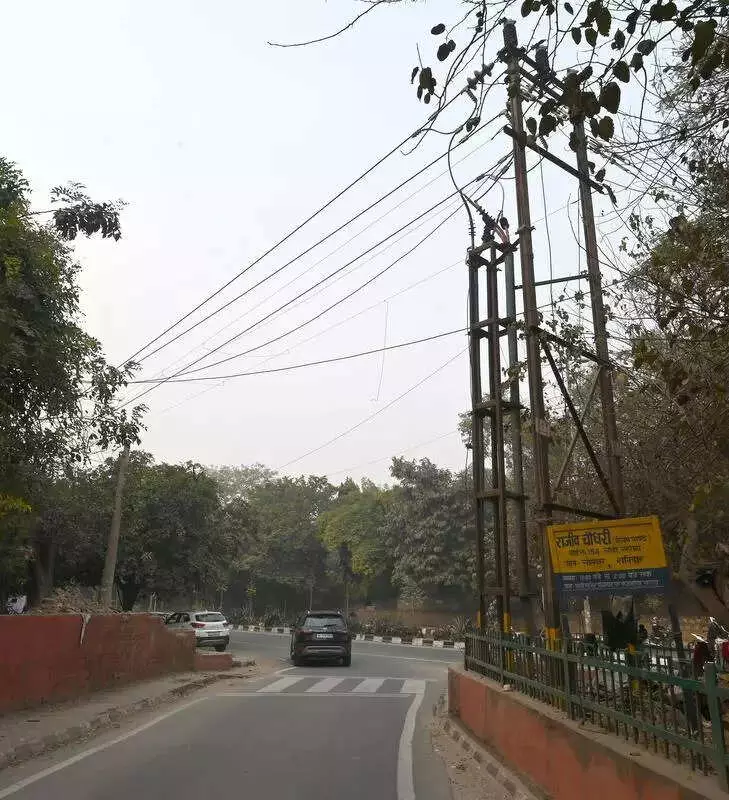
New Delhi: In a significant crackdown on electricity theft, more than 1,500 individuals have been convicted in Delhi over the past four years, according to data released by power distribution companies. This sustained enforcement drive highlights the ongoing battle against power pilferage, which has long plagued the capital's electricity infrastructure.
Conviction Figures Reveal Enforcement Impact
The statistics show that between 2022–23 and 2025–26, distribution utilities recorded a total of 1,565 convictions for electricity theft. BSES areas accounted for the majority with 1,485 convictions, while Tata Power Delhi Distribution Limited (Tata Power-DDL) zones saw 80 convictions during the same period.
Interestingly, conviction numbers peaked in 2023–24 for both utilities—560 for BSES and 25 for Tata Power-DDL—before declining in subsequent years. This pattern suggests that initial enforcement waves may have had a deterrent effect on potential offenders.

Recent Case Highlights Legal Consequences
The most recent conviction involved a man from north Delhi's Sultanpuri area who was found illegally drawing electricity for domestic use from a Tata Power-DDL pole in 2019. The offender was booked under Section 135 of the Electricity Act, 2003, and faced severe penalties.
A special electricity court in Rohini not only raised a bill of Rs 1.8 lakh against him but also sentenced him to six months of rigorous imprisonment on January 16. This case exemplifies the serious legal and financial consequences now facing those who engage in electricity theft.
Distribution Landscape and Theft Patterns
Delhi's electricity distribution is managed by private discoms with clearly demarcated service areas. Tata Power-DDL supplies power to north and north-west Delhi, including prominent localities such as:
- Rohini
- Pitampura
- Model Town
- Civil Lines
- Parts of north Delhi
BSES operates through two subsidiary companies—BSES Rajdhani Power Limited (BRPL) and BSES Yamuna Power Limited (BYPL)—which together serve:
- South Delhi
- South-west Delhi
- West Delhi
- Central Delhi
- East Delhi
The disparity in conviction numbers between service areas reflects several factors including consumer base size, load profile variations, and historical incidence of power theft across different parts of the capital.
Officials Explain The Enforcement Strategy
A power department official noted that the higher conviction numbers in BSES areas correspond to their larger consumer base. Meanwhile, discom representatives emphasized how sustained enforcement has yielded measurable improvements in system efficiency.
Referring to the recent conviction, a Tata Power-DDL official stated: "Such judgments help reinforce disciplined usage of electricity in Delhi. We continue to appeal to consumers from time to time to avoid unethical practices and act as responsible consumers."
The official highlighted that aggregated technical and commercial (AT&C) losses now stand at just 5.5%, representing an unprecedented reduction from the opening loss level of 53% recorded in July 2002.
Dramatic Reduction in Technical Losses
A BSES official provided additional context, explaining that sustained efforts over the years have enabled BSES discoms to achieve a record reduction in AT&C losses—from nearly 60% in 2002 to below 6.1% currently.
The dramatic improvement has been driven by multiple factors:
- Implementation of modern technologies for detection and monitoring
- Firm crackdown on power theft through systematic enforcement
- Establishment of special electricity courts enabling faster convictions
- Strong support from Delhi Police in enforcement operations
- Close engagement with citizens and Resident Welfare Associations (RWAs)
Why Power Theft Remains a Critical Issue
Electricity theft represents more than just revenue loss for distribution companies. The practice has cascading effects on the entire power ecosystem:

- Revenue losses that restrict infrastructure upgrades and system improvements
- Unpaid load addition to the grid, leading to potential outages and instability
- Increased technical losses that affect overall system efficiency
- Safety risks from unauthorized connections and tampered equipment
The data clearly demonstrates that sustained enforcement against electricity theft can produce positive results. As discoms continue their crackdown, the hope is that reduced theft will translate into more reliable power supply and fairer distribution of costs among legitimate consumers across Delhi.