

Delhi's Rapid Rail Corridors Set to Transform Commuting and Combat Pollution
New Delhi is gearing up for a major transportation overhaul. Two new rapid rail corridors promise to revolutionize travel in the National Capital Region. These projects aim to pull a staggering two lakh vehicles off the roads. Officials reveal this estimate comes from the detailed project report.
Delhi-Gurgaon-Bawal Corridor: Connecting Industrial Hubs
The Delhi-Gurgaon-Bawal Namo Bharat corridor will stretch 92 kilometers. It will pass through key urban and industrial areas. These include Gurgaon, Manesar, MBIR, and Bawal. This route will directly link Delhi airport with the regional rapid transit system. Such connectivity is expected to boost NCR productivity significantly.
Travel time between Delhi and Bawal will drop to about one hour. This improvement will facilitate efficient movement for daily commuters. It will also stimulate regional economic activities. The corridor plans to have close to 22 kilometers in Delhi. Around 71 kilometers will run through Haryana.

Delhi-Panipat-Karnal Corridor: Serving Education and Industry
The second corridor spans 136 kilometers from Delhi to Karnal. About 100 kilometers of this route will lie in Haryana. The remaining 36 kilometers will traverse through Delhi. It will run from Sarai Kale Khan in Delhi to Karnal New ISBT in Haryana.
Commuters will enjoy drastically reduced travel times. They can reach Karnal from Delhi in just 90 minutes. The journey from Kashmiri Gate to Murthal will take only 30 minutes. Seventeen stations are planned along this route. Six stations will be in Delhi, and eleven in Haryana.
This corridor serves major industrial and education hubs. Key locations include Sonipat Education City, Kundli, Barhi Industrial Area, Panipat city, and IOCL refinery. Lakhs of people travel to these centers daily from across NCR. This movement creates major traffic congestion and pollution. Stations are proposed at all these important points to address these issues.
Environmental and Operational Benefits
Namo Bharat trains operate as a green mode of transit. They use steel-to-steel rolling contact, which reduces friction. This design cuts fossil fuel consumption to one-fifth of road vehicles. An official from the National Capital Region Transport Corporation highlighted this advantage. The corporation is executing the RRTS project.
The operational Delhi-Ghaziabad-Meerut corridor already shows promise. A 55-kilometer section of its 82-kilometer length is currently running. Once complete, this corridor will increase public transport usage from 37% to 63%. It will remove over one lakh private vehicles from the road. This reduction will cut 2,50,000 tonnes of carbon dioxide emissions annually.
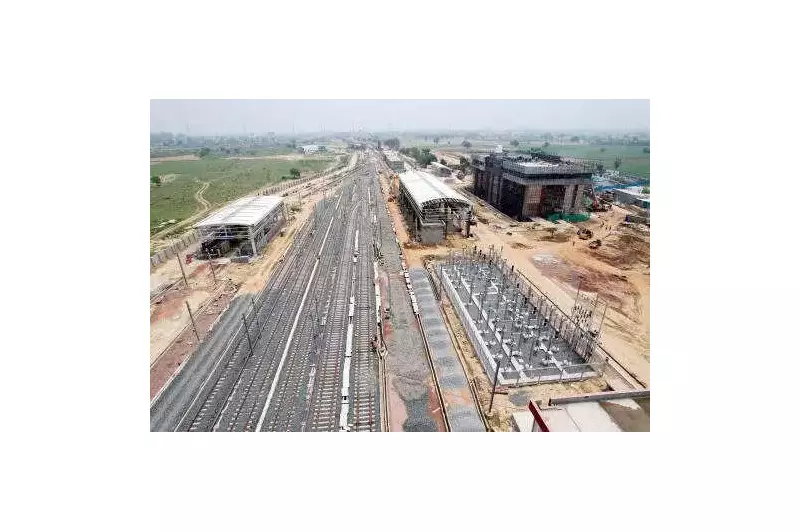
Most RRTS stations will link to nearby metro and railway stations. This integration ensures seamless connectivity for passengers. Two depots, at Murthal and Ganjbar, will support operations along the Delhi-Panipat-Karnal corridor.
Strategic Goals and Broader Impact
Officials state the project implementation addresses congestion and pollution strategically. It forms part of the Comprehensive Action Plan for Air Pollution Control in Delhi and NCR. The project also follows recommendations from the high-powered committee on decongesting Delhi traffic.
Namo Bharat trains will run at an average speed of 90 kilometers per hour. Even with stoppages, they will cover distances much faster than other transport options. This speed and comfort will encourage people to switch from road travel. The shift will save travel time, reduce road congestion, and decrease damage to road infrastructure.
The corridors promise substantial environmental and economic benefits for the entire region. They represent a significant step toward sustainable urban mobility in India's capital region.






