Delhi Government Announces New Fleet of Mini Electric Buses to Boost Public Transport
In a significant move to enhance urban mobility, the Delhi government has decided to introduce a new fleet of 500 seven-metre electric buses, designed to be smaller than existing metro feeder buses. These compact vehicles are set to strengthen last-mile connectivity to congested colonies and expand the city's electric public transport network.
Procurement Under PM E-DRIVE Scheme and Expansion Plans
The procurement of these mini e-buses is being carried out under the Centre's PM E-DRIVE Scheme. This initiative is part of a larger proposal to bring an additional 3,330 electric buses to Delhi's roads in the second phase of the city's e-transport expansion. Officials have confirmed that the buses will operate on narrow stretches and interior roads where larger buses face operational challenges, thereby improving access to electric transport in densely populated areas and enhancing feeder connectivity to metro stations.
Details of the Bus Fleet and Features
According to government sources, the proposal has been submitted to a central agency responsible for aggregated procurement of electric buses. In addition to the 500 seven-metre buses, the Delhi government has requested 2,330 nine-metre buses for feeder and smaller routes, as well as 500 twelve-metre buses for main arterial corridors and high-density stretches. All buses in this fleet will be low-floor and air-conditioned, ensuring comfort for passengers.

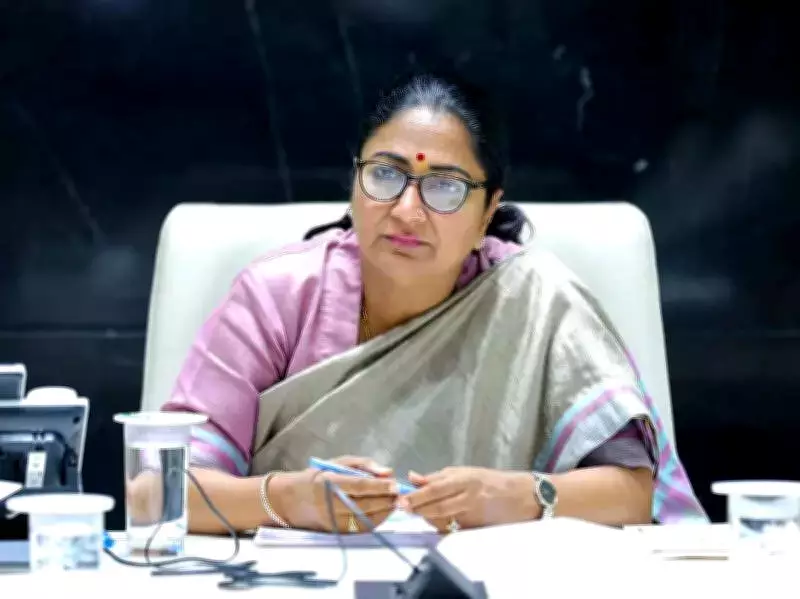
Chief Minister Rekha Gupta stated, "We have placed orders for the first lot of 500 seven-metre buses, marking their debut in Delhi. Following all necessary clearances and financial assistance from the Centre, we anticipate these buses arriving in batches by 2027-28. The Delhi government aims to establish one of the largest and cleanest electric bus networks globally in the coming months."
Addressing Last-Mile Connectivity Gaps
Transport Minister Pankaj Singh highlighted that the tender process has already commenced. He explained that residents in densely populated colonies often rely on e-rickshaws or private vehicles to reach main roads or metro stations. The introduction of these mini buses is intended to bridge this gap by providing reliable, scheduled services closer to homes, thereby reducing dependency on informal transport options.
Advanced Safety and Accessibility Features
Despite their smaller size, the new seven-metre electric buses will be equipped with features similar to the existing nine-metre DEVI electric buses. These include CCTV cameras for enhanced passenger safety, panic buttons, GPS tracking, and real-time passenger information systems. The low-floor design is expected to particularly benefit senior citizens, women, and persons with disabilities, promoting inclusive urban mobility.
Financial Commitment and Current Fleet Status
A senior government official noted that while the additional requirement—separate from the already sanctioned 2,800 buses under Phase-1—was requested under a subsidy model, the Delhi government is prepared to bear the financial burden if necessary to avoid delays in implementation.
Currently, Delhi operates 5,336 government buses, with over 4,000 being electric. This includes more than 1,200 nine-metre DEVI buses, approximately 2,000 twelve-metre buses, and 100 feeder buses. Chief Minister Gupta projected that by March this year, over 5,000 electric buses will be criss-crossing the national capital's roads, with plans to increase the total fleet to 13,760 buses by 2028.
Future Prospects and National Leadership
Officials expect the bus fleet to expand significantly in the coming months. The eventual induction of 3,330 additional buses is anticipated to further strengthen connectivity and position Delhi among Indian cities with the largest electric bus fleets, contributing to reduced emissions and improved public transport infrastructure.