

Delhi Government Announces DITI Aayog, a New Policy Think Tank Modeled After NITI Aayog
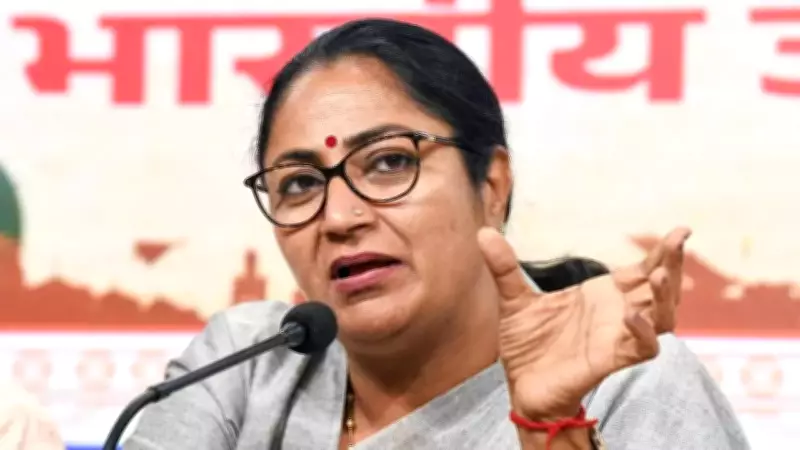
In a significant move to enhance governance, the Delhi government will establish a policy think tank called the Delhi Institutional Think Tank for Innovation, or DITI Aayog, inspired by the structure of NITI Aayog. Chief Minister Rekha Gupta made this announcement while presenting the 2026-27 budget on Tuesday, emphasizing the need for more focused and Delhi-centric policy-making.
Focus on Decentralized and Digital Governance
The DITI Aayog initiative is part of a broader push towards decentralization, digitalization, and transparency in Delhi's administration. The government has proposed an allocation of Rs 4,304 crore for the revenue department in the 2026-27 fiscal year to drive these comprehensive reforms.
Chief Minister Gupta stated, "To make policy-making more focused and Delhi-centric, a DITI commission will be established on the lines of NITI Aayog." She later confirmed to The Times of India that the structure and terms of reference for this new body will be finalized soon, with decisions pending after the draft composition is prepared and reviewed by the Delhi cabinet.

Structure and Implementation Plans
The proposed DITI Aayog is likely to be chaired by a Member of the Legislative Assembly (MLA) and supported by a team of bureaucrats. This setup aims to ensure that policy formulation is closely aligned with the capital's unique requirements, moving away from a one-size-fits-all approach.
In addition to the think tank, the budget outlines several digital initiatives designed to streamline governance:
- CM Jan Sunwai Portal: A platform for public grievances and feedback.
- Comprehensive Asset Management System: To optimize resource utilization.
- CM Pragati Portal: For monitoring projects valued above Rs 5 crore.
- Integrated Financial Management System: To enhance financial operations and accountability.
Expanding Public Services and Infrastructure
The government plans to introduce a paperless and faceless property registration system at the sub-registrar level, similar to passport services, to reduce bureaucratic hurdles. Funds have also been allocated for an emergency operations center under the Delhi Disaster Management Authority and for expanding judicial infrastructure, including new courtrooms across multiple locations.
To improve accessibility, mini-secretariats will be set up across all 13 districts of Delhi, providing integrated public services under one roof. The first such facility in Dwarka has already been approved at an estimated cost of Rs 213 crore, with Rs 100 crore earmarked for construction in the next financial year.
Enhancing Transparency and Financial Autonomy
In a bid to boost transparency, Chief Minister Gupta announced that every property in Delhi will be assigned a unique identification number, dubbed "Bhu-Aadhaar," and land records will be digitized through the NGDRS portal. This measure is expected to curb fraud and simplify property transactions.
Furthermore, the Centre has approved the separation of the Delhi government's public account from its own, a move anticipated to enhance financial autonomy and allow for more tailored fiscal management in the capital.
These initiatives collectively represent a robust effort to modernize Delhi's governance framework, making it more responsive to the needs of its residents while fostering innovation and efficiency in public administration.






