

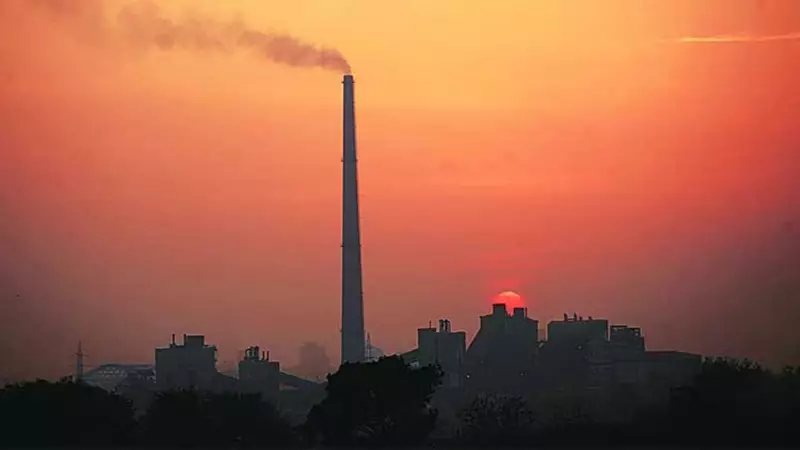
Delhi's Power Department Proposes Major Transformation for Rajghat Plant
The Delhi government's power department has unveiled an ambitious plan to redevelop the long-defunct Rajghat Thermal Power Plant. This proposal aims to create a bustling nightlife hub on the 28-acre site. The department studied successful international models to shape this vision.
Global Inspiration for Local Transformation
Officials drew inspiration from four iconic global redevelopments. They looked at New York's High Line, London's Battersea Power Station, Essen's Zollverein Coal Mine in Germany, and Toronto's Distillery District. These projects demonstrate how industrial sites can become vibrant public spaces.
Power Minister Ashish Sood emphasized the need for such a venue. He noted that Delhi residents currently have limited evening entertainment options. "People go to movies or malls, but how many hours can you spend there?" Sood said. "This redevelopment will boost tourism, generate revenue, and save electricity."

Detailed Plans for Entertainment and Recreation
The proposal includes diverse attractions designed to appeal to all age groups:
- A promenade along the Yamuna River with solar-powered LED lighting
- Benches made from recycled plant material
- Solar-charged pedal boats for zero-emission operations
- An open-air plaza near the plant's chimney with seating for 500-1,000 people
- Weekly entertainment events including stand-up comedy, Sufi nights, Bollywood dance, and DJ parties
- "Delhi Nights" ticketed events in collaboration with Delhi Tourism
A senior official explained their approach. "We studied how the High Line transformed an old railway into a park that spurred nightlife. We have this huge land in the city center, unused for years. Redeveloping it will give Delhi its own nightlife area and boost the night economy."
Educational and Cultural Components
The plan also includes converting part of the plant into a museum. This facility would use augmented reality displays to showcase Delhi's power evolution and historical figures like Bhagat Singh. Officials studied Germany's Zollverein coal mine, now a UNESCO site with a museum blending history and technology.
"We can develop a museum here using touch screens and holograms," the official said. "It could stay open until midnight. Schools could visit on field trips, and a small entry fee would generate revenue."
Additional Features and Revenue Model
The comprehensive proposal includes numerous attractions:
- A 5D museum in collaboration with the Delhi Development Authority
- Rooftop cafés and night markets
- VR gaming zones, laser tag, and escape rooms
- Outdoor areas with mini-golf and go-karting
- A 50-meter skydeck for panoramic views
Officials explained the land distribution. Seventy percent of the 28-acre site belongs to the Delhi government, while the remaining portion falls under DDA jurisdiction.
The redevelopment should create spaces for everyone—families, couples, youth, students," officials stated. "There will be activities for all age groups, from educational to entertainment. We plan low entry fees and combo passes for cafés and games."
Implementation and Partnerships
The proposal remains in the planning stage. Once finalized, it will require cabinet approval and financial sanction. The detailed project report will then guide execution on the ground.
Multiple departments would collaborate on implementation, including Public Works, Tourism, DSIIDC, and DDA. The government also plans to involve hospitality chains through 10-year lease contracts for managing bars, arcades, and food zones.
"Through this model, the Delhi government will maintain its funds and retain a 40 percent revenue share," officials added.
If approved, the government may request Delhi Metro to extend train operations until 1 AM to support the nightlife hub. This transformation promises to address Delhi's entertainment gap while creating economic opportunities and preserving industrial heritage.






