In a significant move aimed at tackling the capital's persistent air pollution crisis, the BJP-led Delhi government has announced a substantial infusion of funds for infrastructure and environmental projects. As part of the Revised Estimates (RE) for the fiscal year 2025-26, the Assembly on Friday approved an additional Rs 496 crore specifically for strengthening and repairing roads and another Rs 180 crore for the Yamuna Action Plan.
Focus on Pollution and Infrastructure
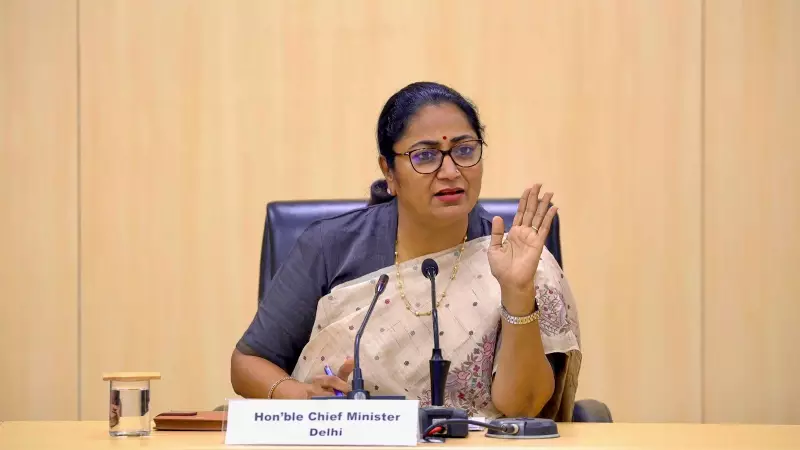
Presenting the Delhi Appropriation Bill, Chief Minister and Finance Minister Rekha Gupta sought supplementary grants to meet the revised expenditure. The Bill was passed via a voice vote. The government's strategy clearly prioritizes curbing dust pollution—a major contributor to Delhi's poor air quality—and enhancing core urban infrastructure. The overarching budget for 2025-26 remains at Rs 1 lakh crore, with cleaning the Yamuna, overhauling roads, improving water supply, and addressing waterlogging emerging as top priorities.
The transport sector has seen one of the most significant boosts. Its allocation has been increased from Rs 12,952 crore in the Budget Estimates (BE) to Rs 16,024 crore in the RE, constituting nearly 16% of the total budget. This hike is directed at fulfilling poll promises, including procuring electric buses, repairing and resurfacing roads, and constructing flyovers and bridges to ease traffic. The government has set an ambitious target to renovate 400 km of roads by March and another 600 km by the end of the calendar year. Furthermore, an extra Rs 100 crore has been earmarked to complete the long-delayed Barapullah Phase III elevated corridor.

Key Sectoral Allocations and Shifts
The revised budget reflects increased spending across several critical sectors. To combat pollution at a granular level, the allocation for the Housing and Urban Development sector has been raised to Rs 11,754 crore from Rs 10,694 crore. This will fund the purchase of mechanical road sweeping machines, water sprinklers, anti-smog guns, and the development of unauthorized colonies. The Municipal Corporation of Delhi (MCD) receives an additional Rs 1,031 crore for strengthening waste management, plus Rs 115 crore under the Swachh Bharat Abhiyan Mission.
In a relief to residents, the government has increased the power subsidy allocation by Rs 400 crore, taking the total under 'Subsidy to Electricity Consumers through Discoms' to Rs 4,000 crore. This scheme provides free electricity up to 200 units and a 50% subsidy for consumption up to 400 units. The water utility, Delhi Jal Board, gets a Rs 1,000 crore increase in its loan allocation, now at Rs 3,500 crore. The education budget also sees a rise from Rs 19,291 crore to Rs 20,702 crore.
Other notable allocations include an extra Rs 500 crore for purchasing land and flats for universities, another Rs 500 crore to clear legacy liabilities for peripheral expressways, and Rs 825 crore for projects under the 'Special Assistance to States for Capital Investment' scheme. Funding to clear pending tuition fee reimbursement liabilities under the RTE Act has been increased by Rs 140 crore to Rs 510 crore.
Capital Expenditure Gets a Major Push
A notable shift in the revised budget is the increased emphasis on capital expenditure for long-term development. While the overall budget size is unchanged, allocations under specific schemes have been reduced from Rs 59,300 crore to Rs 57,850 crore. Conversely, capital expenditure has jumped from Rs 28,115 crore to Rs 30,248 crore, while the revenue budget has decreased. Establishment expenditure has also risen.

A government official highlighted this strategic shift, stating that previous governments had under-invested in capital projects. "Capital expenditure in this Revised Estimate is 163% higher than the actual capital expenditure of the previous year," the official said, emphasizing the focus on sustainable development through enhanced capital investment. Other projects receiving a boost include Delhi Metro Phase IV, DTC buses, bus depots, schools, CCTV installation, and general infrastructure.
However, a key poll promise, the Mahila Samriddhi Scheme—which promised Rs 2,500 to eligible women from economically weaker families—will not be implemented this financial year despite having an allocation of Rs 5,100 crore in the original Budget Estimates.