

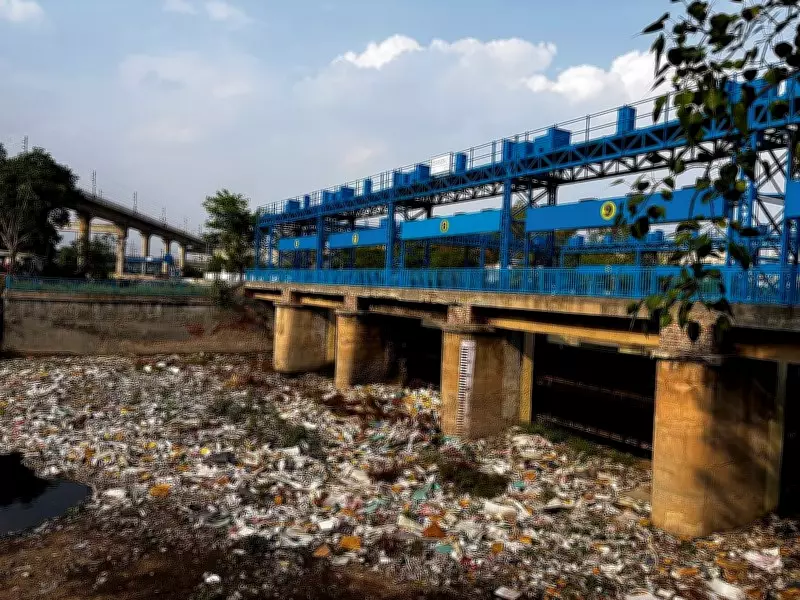
Delhi's Sewage Treatment Plant Plan Under Intense Questioning
Delhi's ambitious plan for sewage treatment plants (STPs) is now facing serious scrutiny and widespread criticism. Recent reports have revealed a troubling issue where treated water from these facilities is allegedly mixing up with drain effluents, creating significant environmental and public health concerns across the capital city.
Critical Water Quality Issues Emerge
The core problem centers around the quality of water being discharged from Delhi's sewage treatment plants. According to multiple sources and observations, the treated water that should meet specific quality standards is reportedly getting contaminated by mixing with untreated or partially treated drain effluents. This contamination raises serious questions about the effectiveness of the current sewage treatment infrastructure and the monitoring systems in place.
Environmental experts have expressed alarm at this development, noting that such mixing defeats the very purpose of sewage treatment plants. The treated water, which should be safe for various uses including irrigation and groundwater recharge, may now contain harmful pollutants and pathogens that could contaminate soil, water bodies, and potentially affect public health.

Infrastructure and Implementation Challenges
The issue appears to stem from multiple factors affecting Delhi's sewage treatment system:
- Inadequate infrastructure that fails to properly separate treated and untreated water streams
- Maintenance gaps in the existing sewage treatment network
- Monitoring deficiencies that allow such mixing to occur undetected
- Capacity limitations of current treatment facilities to handle Delhi's growing sewage volume
These challenges highlight the broader difficulties in implementing effective sewage management in a rapidly growing metropolitan area like Delhi. The city's expanding population and urban development have placed increasing pressure on water treatment systems that were designed for much smaller capacities.
Public Health and Environmental Implications
The mixing of treated water with drain effluents carries significant consequences:
- Water contamination risks that could affect agricultural lands using this water
- Groundwater pollution concerns as contaminated water seeps into aquifers
- Public health threats from potential exposure to pathogens and pollutants
- Environmental degradation of local water bodies and ecosystems
Environmental activists and concerned citizens have called for immediate action to address these issues. They emphasize that proper sewage treatment is not just about infrastructure but about ensuring that treated water actually meets quality standards before being released or reused.
Government Response and Future Directions
While official responses have acknowledged the need for improvements, the situation has prompted calls for more comprehensive solutions. Experts suggest that Delhi needs:
- Enhanced monitoring systems with real-time water quality testing
- Regular audits of sewage treatment plant operations
- Infrastructure upgrades to prevent cross-contamination
- Stricter enforcement of water quality standards
- Public transparency about treatment plant performance
The current situation serves as a wake-up call for urban water management in India's capital. As Delhi continues to grow, the need for effective, transparent, and reliable sewage treatment systems becomes increasingly critical for both public health and environmental sustainability.






