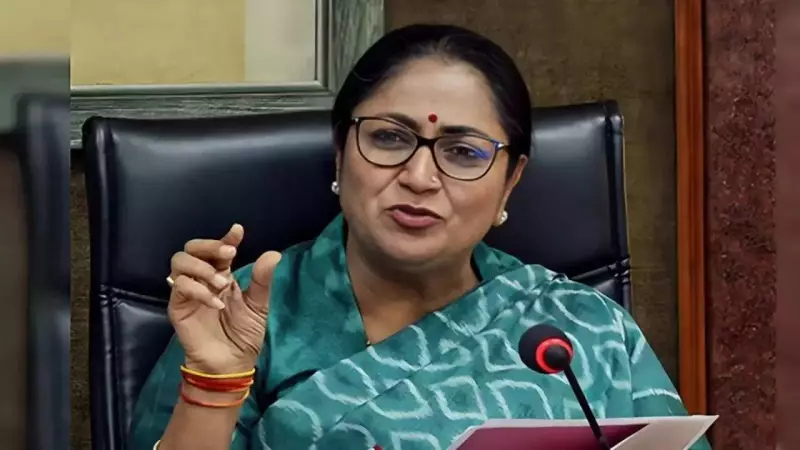
Delhi Introduces Single Emergency Number 112 for Faster Response
Delhi Chief Minister Rekha Gupta announced a major upgrade to emergency services in the capital. Residents will soon use one unified helpline number 112 instead of calling different numbers for police, fire, or medical help.
How the New System Works
The Ministry of Home Affairs declared 112 as the national emergency number. Delhi is now implementing this system to streamline emergency responses.
Citizens can access help through multiple channels:

- Dialling 112 on any phone
- Using a dedicated mobile application
- Pressing an emergency button
- Sending an SMS message
- Accessing online platforms
"This ensures even if someone cannot speak, they can still send a distress signal easily," Gupta explained.
Advanced Features of ERSS 2.0
The Emergency Response Support System version 2.0 represents a technological leap forward. All emergency communications converge at a single Public Safety Answering Point.
The system automatically detects the caller's location as soon as an alert comes in. Victims no longer need to explain where they are during stressful situations.
Once location identification occurs, the control room dispatches the nearest available vehicle immediately. This could be a police car, ambulance, or fire tender depending on the emergency type.
Real-Time Monitoring Dashboard
A modern dashboard in the control room provides complete visibility of emergency operations. Officials can monitor:
- Where incidents occur in real-time
- Which vehicles have been dispatched
- Estimated arrival times at the scene
"This saves crucial time during the golden hour," Gupta emphasized, referring to the first sixty minutes after an emergency when rapid response matters most.
Simultaneous Alert System
A single emergency call now alerts police, fire, and medical services simultaneously. This coordinated approach significantly reduces response delays that previously occurred when different agencies needed separate notifications.
The system includes contingency measures. If any vehicle faces delays, the control room can deploy alternative resources immediately. This continuous oversight enhances accountability across all emergency services.
Phased Implementation Plan
The unified helpline will roll out in carefully planned phases:
- Phase One: Integration of all existing emergency numbers into 112
- Phase Two: Technical upgrades to the system infrastructure
- Phase Three: Public awareness campaigns about the new number
- Phase Four: Training for emergency call-takers and responders
- Phase Five: Comprehensive evaluation of system performance
This structured approach ensures smooth transition from multiple emergency numbers to the unified 112 helpline. Delhi joins other regions adopting the national standard for emergency response coordination.