

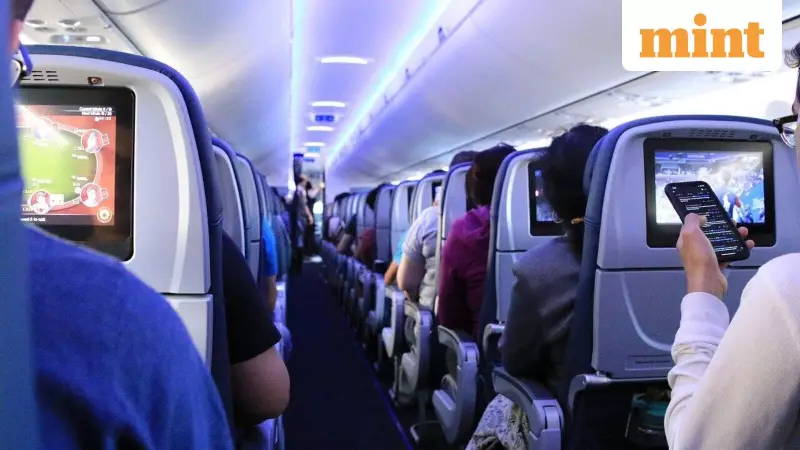
In a significant move to enhance passenger safety, India's aviation regulator has officially prohibited the use of power banks for charging devices onboard aircraft. The Directorate General of Civil Aviation (DGCA) issued the directive, citing serious safety concerns linked to lithium-ion batteries found in these portable chargers.
What Prompted the Ban?
The decision, reinforced by Civil Aviation Minister Ram Mohan Naidu, stems from a series of alarming global incidents where lithium batteries overheated or caught fire. These events highlighted a critical risk in the confined space of an airplane cabin. The DGCA's guidelines, initially issued in November last year, have now been brought into sharp focus, with airlines instructed to enforce them strictly.
Key Guidelines for Passengers
Travelers must now adhere to a specific set of rules concerning power banks and spare batteries. The core instructions, which airlines are required to announce during cabin broadcasts, include the following points.

Carriage Rules: Power banks and spare batteries must be carried only in hand luggage. They are strictly forbidden in checked baggage.
Usage Ban: Passengers are not allowed to use or charge power banks during the flight. This prohibition applies even if the seat is equipped with a power outlet.
Immediate Reporting: If any electronic device, including a power bank, becomes hot, emits smoke, or produces an unusual smell, passengers must immediately notify the cabin crew.
Safe Storage: To prevent short circuits, the DGCA advises storing lithium batteries in individual plastic bags, taping their terminals, or using protective cases. They should not be placed loose in overhead bins.
Broader Implications and Compliance
The regulator has also mandated that airlines promptly report any safety incidents involving lithium batteries to the DGCA. This holistic approach aims to create a safer travel environment by mitigating the fire risk associated with these common electronic accessories. The move aligns with growing global caution over the transport of lithium batteries, which are known to be volatile under certain conditions.
For Indian flyers, this means a crucial change in travel habits. Ensuring power banks are easily accessible in carry-on bags and are sufficiently charged before boarding becomes essential, as in-flight top-ups are no longer an option. The guidelines underscore Minister Naidu's emphasis that passenger safety remains the foremost priority for Indian aviation authorities.






