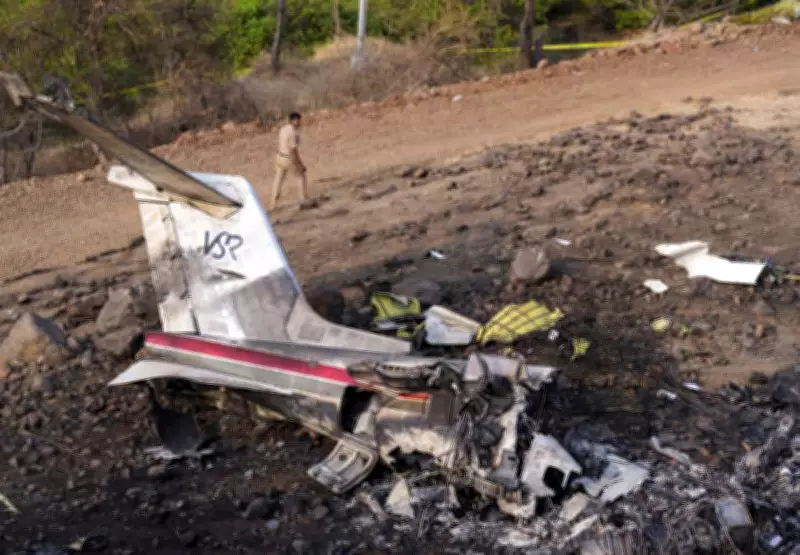
DGCA Announces Stringent Safety Measures for Non-Scheduled Operators After Surge in Aircraft Accidents
In response to a concerning rise in aircraft accidents, the Directorate General of Civil Aviation (DGCA) has unveiled a comprehensive set of stringent safety measures specifically targeting non-scheduled operators. This decisive action aims to bolster oversight, enhance compliance, and ensure the highest standards of aviation safety across India's charter flight sector.
Background and Context of the Safety Crackdown
The DGCA's announcement comes against a backdrop of multiple recent incidents involving non-scheduled aircraft, which have raised alarms about operational risks and regulatory gaps. Non-scheduled operators, often engaged in charter services, corporate flights, and air taxi operations, have seen a notable uptick in accidents, prompting urgent regulatory intervention. The surge has been attributed to factors such as inadequate maintenance protocols, pilot training deficiencies, and lapses in safety management systems.
Authorities have emphasized that these measures are not merely reactive but part of a proactive strategy to preempt future mishaps. By focusing on this segment, the DGCA aims to address vulnerabilities that could compromise passenger safety and tarnish India's aviation reputation.

Key Components of the New Safety Framework
The newly announced measures encompass a multi-faceted approach designed to tighten controls and improve accountability. Key elements include:
- Enhanced Surveillance and Audits: Regular and unannounced inspections of non-scheduled operators will be intensified, with a focus on maintenance records, crew qualifications, and operational procedures.
- Stricter Compliance Requirements: Operators must now adhere to revised safety protocols, including mandatory reporting of incidents and implementation of robust safety management systems.
- Training and Certification Mandates: Pilots and maintenance personnel will undergo more rigorous training and recertification processes to ensure competency and adherence to best practices.
- Technology Integration: The use of advanced monitoring technologies, such as flight data analysis and real-time tracking systems, will be encouraged to detect anomalies and prevent accidents.
These steps are expected to create a more resilient safety culture, reducing the likelihood of human error and technical failures.
Implications for the Aviation Industry and Stakeholders
The DGCA's move is poised to have far-reaching implications for various stakeholders within the aviation ecosystem. Non-scheduled operators will face increased operational costs and administrative burdens as they align with the new regulations. However, this is viewed as a necessary investment to safeguard lives and maintain public trust.
Passengers and corporate clients can anticipate improved safety standards, potentially leading to higher confidence in charter services. Industry experts have welcomed the measures, noting that they align with global aviation safety norms and could enhance India's standing in international aviation forums.
Moreover, the crackdown may spur innovation in safety technologies and practices, as operators seek efficient ways to comply without compromising service quality. The DGCA has assured that it will provide guidance and support to facilitate a smooth transition, emphasizing collaboration over punitive actions.
Future Outlook and Ongoing Monitoring
Looking ahead, the DGCA plans to continuously monitor the effectiveness of these measures through data analysis and stakeholder feedback. Regular reviews will be conducted to assess compliance levels and accident trends, with adjustments made as needed to address emerging challenges.
The agency has also hinted at potential expansions of these safety initiatives to other aviation segments if proven successful. By fostering a culture of transparency and accountability, the DGCA aims to not only curb the recent surge in accidents but also set a new benchmark for safety in India's dynamic aviation landscape.

In conclusion, the DGCA's stringent safety measures for non-scheduled operators mark a critical step toward mitigating risks and enhancing overall aviation safety. As the industry adapts to these changes, the focus remains on protecting passengers and ensuring that India's skies remain secure for all.