

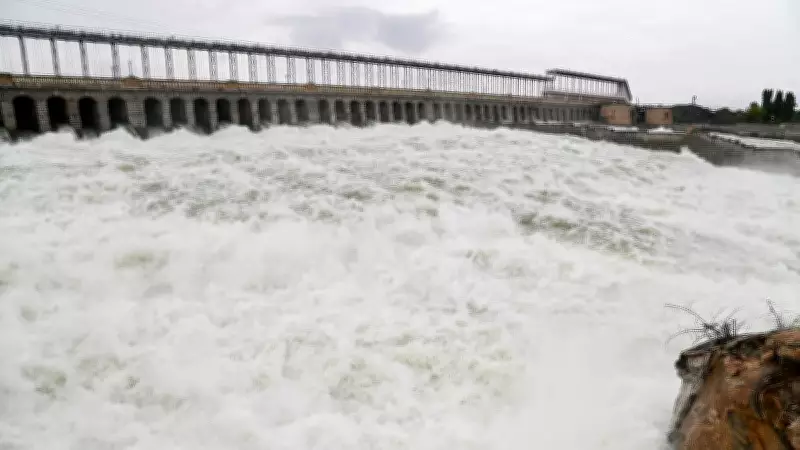
Experts Weigh In on Safety Structure of Dams and Rehabilitation of Old Dams
In a detailed discussion on dam infrastructure, experts have highlighted critical aspects of safety structures and the rehabilitation of aging dams. J Chandrashekar Iyer, former chairman of the Central Water Commission (CWC), provided insights into the compatibility of dams within the context of rehabilitation efforts.
Focus on Dam Safety and Infrastructure Updates
The conversation centered on the need for robust safety measures to prevent failures and ensure public safety. Iyer emphasized that many dams in India, particularly older ones, require comprehensive assessments and upgrades to meet modern standards. He pointed out that rehabilitation is not just about repairs but involves evaluating the structural integrity and environmental impact of these water bodies.
Key points from the discussion include:

- Compatibility Analysis: Assessing how existing dams can be adapted or rehabilitated to align with current safety protocols and technological advancements.
- Risk Management: Implementing strategies to mitigate risks associated with dam failures, such as flooding and ecological damage.
- Policy Framework: Advocating for stronger regulations and funding to support ongoing maintenance and rehabilitation projects.
Rehabilitation Efforts for Aging Dams
Iyer discussed the challenges in rehabilitating old dams, noting that many were built decades ago with outdated designs. He stressed the importance of using advanced engineering techniques and materials to enhance durability and functionality. The rehabilitation process often involves:
- Conducting thorough inspections to identify weaknesses and potential hazards.
- Developing tailored rehabilitation plans that consider local geological and hydrological conditions.
- Engaging with communities and stakeholders to ensure transparency and address concerns.
This approach aims to extend the lifespan of dams while minimizing risks to surrounding areas.
Implications for Karnataka and Beyond
While the discussion had a broader national context, it holds particular relevance for Karnataka, where several dams are part of critical water management systems. Iyer's insights underscore the need for state-specific strategies to address aging infrastructure and enhance dam safety. Ongoing efforts in Karnataka could serve as a model for other regions facing similar challenges.
In conclusion, the expert analysis calls for proactive measures in dam safety and rehabilitation, highlighting the role of technological innovation and policy support in safeguarding water resources and public welfare.






