A routine electricity bill turned into a nightmare for a consumer in Punjab, exposing the frustrating gaps in grievance redressal systems of power utilities. The incident, which began in late December 2023, showcases a citizen's helplessness when faced with a glaring error from a essential service provider.
The Shocking Discovery and Initial Complaints
The ordeal started when the consumer received a bill from the Punjab State Power Corporation Limited (PSPCL) for December 2023. The amount was not just high; it was astronomically inflated. The bill demanded a staggering Rs 16,000, a figure completely disconnected from the household's normal consumption pattern, which typically results in bills under Rs 2,000.
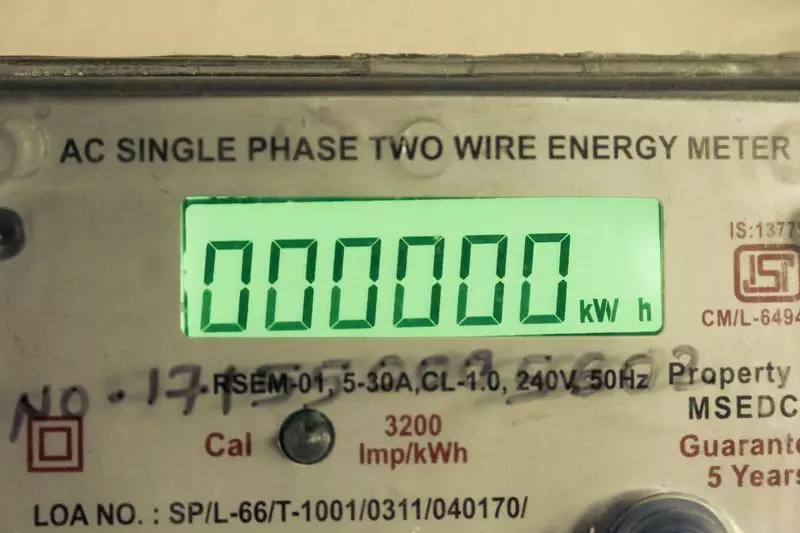
Acting swiftly, the consumer filed an official complaint through the PSPCL's online portal on December 28, 2023. The complaint clearly stated that the meter reading was faulty and the generated bill was erroneous. Following protocol, a lineman from the subdivision visited the premises. He acknowledged the mistake verbally, confirming the bill was indeed incorrect. He assured the consumer that a revised, accurate bill would be issued. Relying on this assurance, the consumer paid Rs 1,900 as a temporary measure, reflecting their estimated actual usage.
The System's Failure and Mounting Pressure
Instead of a correction, the situation deteriorated. The next bill, issued for January 2024, compounded the error. It showed an outstanding balance that carried forward the entire disputed Rs 16,000, adding the new month's consumption on top. The promised rectification had vanished into thin air. The consumer was now staring at a daunting total demand.
Repeated visits to the local PSPCL subdivision office yielded no results. Officials provided no written acknowledgment of the complaint and offered no timeline for a solution. The only consistent response was an instruction to pay the disputed amount to avoid disconnection, a tactic that shifts the entire burden of proof and inconvenience onto the customer. The threat of power cut for non-payment of a blatantly wrong bill became a real and stressful possibility.
A Glimmer of Hope and Underlying Issues
After persistent follow-ups spanning weeks, a senior official finally intervened. Upon reviewing the case, he immediately identified it as a clear case of "meter reading mistake" and initiated the process for generating a corrected bill. While this intervention resolved the individual case, it underscores a deeper, systemic problem.
The experience reveals critical flaws in the complaint handling mechanism of power distribution companies. The initial complaint, despite being logged online, got lost in the system. The reliance on verbal assurances from ground staff proved worthless. The absence of a transparent, trackable grievance resolution process leaves consumers vulnerable. The system seems designed to make the path of least resistance for the consumer to simply pay up, even when the fault lies unequivocally with the utility.
This incident is not an isolated one. It reflects a common plight faced by many electricity consumers across India. It raises serious questions about accountability and the practical implementation of consumer rights in the face of monolithic service providers. The episode serves as a stark reminder that while systems for lodging complaints exist, robust mechanisms for ensuring they are resolved fairly and promptly are often missing, leaving citizens in a tizzy over faulty bills.