

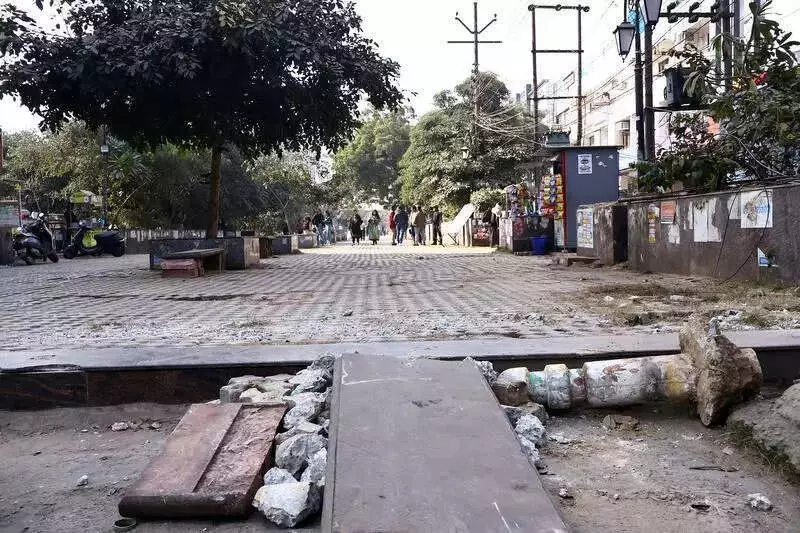
The Ghaziabad Development Authority (GDA) is preparing to dismantle a dedicated no-vehicle zone at the bustling Raj Nagar District Centre (RDC), a move that comes nearly seven years after investing approximately Rs 4 crore to transform the area into a pedestrian-friendly space. Officials cite the urgent need for additional parking to accommodate rising visitor numbers as the primary reason for this significant policy reversal.
The Rise in Footfall and Parking Predicament
According to officials, the escalating crowd at RDC has made parking a critical priority, overshadowing the original goal of easing congestion. The commercial hub now sees around 8,000 visitors on weekdays, with the number surging to 15,000 during weekends. The vehicle-free zone, initially introduced in October 2026, was designed to curb traffic chaos and improve safety for pedestrians, even requiring the conversion of a park into a parking area at the time.
However, the current administration believes the project has failed to address practical needs. A GDA official, speaking on condition of anonymity, expressed regret, stating, "We should think it over before dismantling the barriers. We acted in haste, maybe under political pressure." The official highlighted that the substantial investment, which included extensive surveys and deliberation before the zone was inaugurated by then Ghaziabad MP VK Singh, now seems to have gone down the drain.

Political Push and Trader Demands
The decision to roll back the pedestrian zone gained momentum following a visit by Yogi cabinet minister Asim Arun to the RDC. During this meeting, local trader associations strongly advocated for removing the vehicle restrictions, claiming businesses have been suffering losses for the past seven months due to limited vehicle access.
BJP's city president Mayank Goyal, who was present at the meeting alongside Muradnagar MLA Ajitpal Tyagi, supported the traders' stance. He emphasized that RDC, as a major commercial hub, requires practical solutions for its visitors and shop owners, implying that the current setup is detrimental to commerce.
Concerns Over Planning and Impending Chaos
Critics of the move argue that it exposes poor urban planning and a lack of foresight. They warn that removing the barriers could lead to a return of the very traffic congestion and haphazard parking the zone was meant to prevent. The original project had transformed an 800-meter stretch opposite Gaur Mall, beautifying vacant spaces, installing a fountain, kiosks, lighting, and seating for over 2,000 pedestrians.
The anonymous GDA official reflected on the initial vision, noting, "A lot of planning goes into a project. In the absence of proper infrastructure, vehicles parked haphazardly and the heavy rush left hardly any space for pedestrians, which was why the no-vehicle zone was created." The impending demolition raises questions about the sustainability of urban projects and the balance between pedestrian safety and commercial convenience in Ghaziabad's growing cityscape.






