

Goa Government to Replace Suspended Taxi Aggregator Guidelines with New Digital Policy
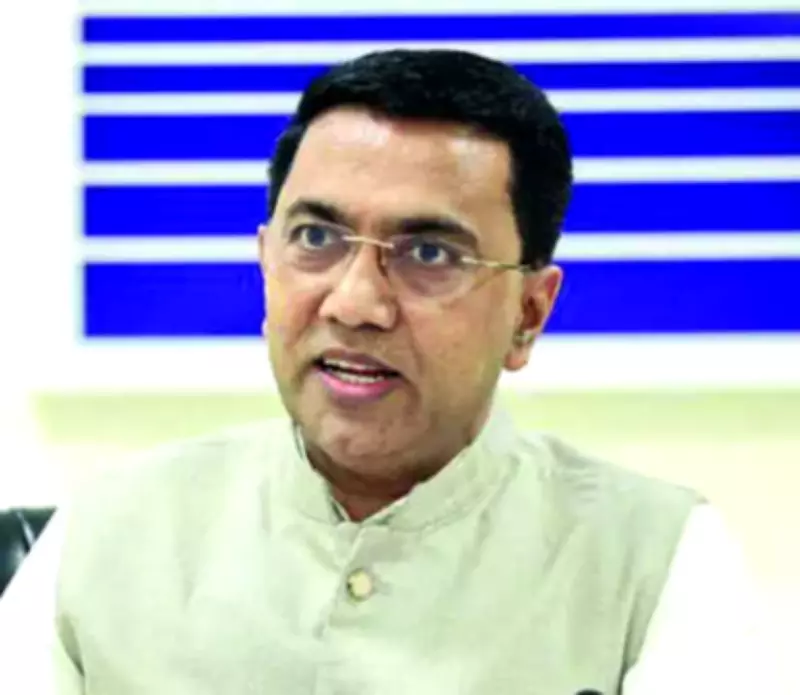
In a significant development in the Goa Legislative Assembly, Chief Minister Pramod Sawant provided a clear assurance on Monday regarding the future of the state's taxi regulations. He stated unequivocally that once the government finalizes the new digital taxi policy, the currently suspended Goa Transport Aggregator Guidelines, 2025, will be automatically scrapped. This announcement comes amid ongoing debates and public agitation over taxi operations in the coastal state.
Government's Stance on Digitization and Public Usage
The state government revealed that approximately 15% of Goa's population currently utilizes the GoaMiles app for their commuting needs, highlighting the growing adoption of digital solutions in transportation. Chief Minister Sawant emphasized his position with a definitive statement: "I want to make a clear-cut statement: once the digital taxi policy is finalised, the guidelines kept in abeyance are automatically scrapped." This move aims to streamline taxi services through modern technological frameworks while addressing longstanding issues.
Opposition's Concerns and Objections
Transport Minister Mauvin Godinho challenged the opposition by questioning their commitment to digitization in taxi operations. In response, the opposition, led by Yuri Alemao, urged the government to completely scrap the aggregator guidelines, citing that 93% of respondents had objected to their implementation during public consultations.

Opposition Leader Yuri Alemao accused the government of squeezing taxi operators, referencing past government characterizations of taxi operators as a "mafia." He pointed out widespread agitation in Goa over various taxi-related issues, including:
- Speed governance regulations
- Integration of taxi applications
- Standardization of taxi meters
Alemao raised critical questions about market control and operator autonomy: "Who wants to control the market? The algorithm decides to control the taxi business and income. Will independent taxi stands survive, and what specific enforcement exists to ensure that commission is not deducted from taxi operators, or that the algorithm does not decide to deduct the commission?" He insisted that aggregators must charge strictly according to government-notified fares to protect operator livelihoods.
Historical Context and Current Challenges
Transport Minister Godinho described taxi issues as a "legacy problem" requiring resolution. He noted that while most taxi operators have accepted taxi apps, opposition from a minority has hindered progress and tarnished Goa's reputation. Godinho highlighted the irony that while apps are commonly used for purchasing everyday items like fruits and vegetables, taxi services face unique resistance. "Goa is being isolated as far as taxis are concerned," he remarked, underscoring the need for modernization.
Alemao provided specific data to support the opposition's position, revealing that when the government invited objections and suggestions for the guidelines, 3,802 people filed objections. This represented 93% of all feedback received, making it, in his view, the government's duty to scrap the guidelines entirely. He also questioned procedural transparency: "Last eight months, these guidelines were kept in abeyance. Why were we not called for the last meeting as elected representatives? MLAs opposed the guidelines."
The debate reflects broader tensions between technological advancement and traditional livelihoods, with the government pushing for digitization while the opposition advocates for protecting taxi operators from potential algorithmic control and unfair commission practices. The forthcoming digital taxi policy is expected to address these concerns while modernizing Goa's transportation ecosystem.






