

Greater Noida to Replace Old Iron Pipes After Water Contamination Sickens Residents
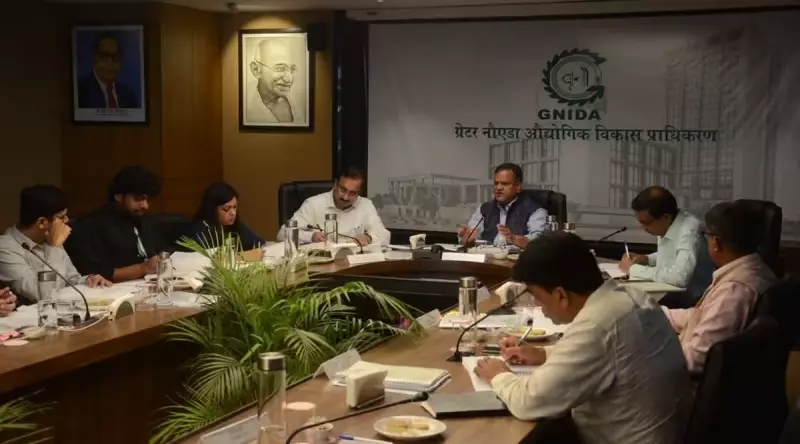
The Greater Noida Industrial Development Authority announced plans to replace old galvanised iron water pipes with plastic ones. This decision follows reports of contaminated drinking water in Delta 1 Sector that left residents ill.
Residents Fall Sick from Contaminated Water
At least thirty residents of Delta 1 Sector reported loose motion and stomach aches last week. They allegedly consumed water mixed with sewage for nearly three days. The problem forced many families to rely on packaged drinking water instead.
Sushma Nagar, a thirty-two-year-old resident, described the water as muddy and yellow. She said it smelled like rotten rats. Even washing hands left a drain-like odor. Her five-year-old son vomited and complained of stomach pain after the smell started in early January.

GNIDA Takes Action with Pipe Replacement
GNIDA Additional Executive Officer Sumit Yadav confirmed the pipeline replacement plans. He stated that pipes connecting to the main line would be changed. The authority had already replaced pipes in several areas and would soon address the rest.
Vinod Sharma, General Manager of Water Management at GNIDA, explained the issue. Many pipelines laid by the Noida Authority use galvanised iron with a limited lifespan. These pipes corrode from constant soil and moisture contact. Leaks allow mud to enter, turning water yellow. Most pipes have been replaced, with remaining work scheduled soon.
Inspection and Advisory Issued
Following resident complaints, GNIDA inspected several sectors. Eight teams collected random water samples from over eighty locations across eighteen sectors. The inspection included Delta 1, 2, and 3, plus Greater Noida West residential societies.
GNIDA also issued an advisory asking residents not to switch on water motors during supply shortages. Sharma noted that foul smells occur when sewage enters supply lines during leaks, especially when pipes are empty.
Residents Voice Longstanding Concerns
Residents' welfare association members reported that people from blocks C, E, and F in Delta 1 were affected. One lane alone saw about fifty houses with nearly one hundred fifty families impacted.
Vijay Singh, treasurer of the Delta 1 RWA, said over one hundred complaints about water contamination have been submitted to GNIDA in the last eight years. Each time someone falls sick, a plumber provides a temporary fix without a permanent solution.
Residents alleged structural issues cause contamination. Sewer, drain, and water supply lines run parallel just inches apart. When sewer lines overflow, they enter drains and reach water supply chambers. Pipes meet at corners, and vibrations from passing vehicles cause breaks.
Officials Deny Formal Complaints
GNIDA officials denied receiving any formal complaints from residents. Sharma maintained that the authority supplies water up to overhead tanks. He said issues lie in the internal distribution system, not from their end.
The authority also disputed resident claims about structural problems. Sewage and water supply lines run parallel as primary connections, but mixing is unlikely unless leaks occur.
Expert Recommendations for Prevention
Dr. Shishir Bansal, a professor at Delhi Technological University, suggested preventive measures. He recommended using polyurea membrane, a high-performing liquid coating, to make buildings leak-proof and durable. Proper water treatment during transportation is also essential to avoid contamination.
Dr. Narayan Kishore, Medical Superintendent of Dankaur PHC, explained health risks. Water contaminated with faecal matter contains E Coli bacteria and amoeba that affect intestines directly. Prolonged use can lead to jaundice and other intestinal issues. He advised using chlorine tablets to keep water clean.






