

Haryana Government Implements Austerity Measures to Conserve Fuel and Energy
The Haryana Government has announced a comprehensive set of austerity and resource-management guidelines aimed at conserving fuel, reducing energy consumption, and mitigating the impact of global economic uncertainties. These measures, effective immediately and lasting until September 2026, seek to reduce dependence on imported resources and promote sustainable practices across the state.
According to an official communication from Chief Secretary Anurag Rastogi, the decision was prompted by ongoing disruptions in global supply chains following the COVID-19 pandemic, the Russia-Ukraine conflict, and tensions in West Asia, all of which have exerted pressure on fuel prices, imports, and the national economy.
Foreign Travel Curbed and Virtual Meetings Encouraged
One of the most significant directives prohibits foreign travel by government employees and officials for official or personal purposes until September 2026, except in cases involving medical treatment. The government has also instructed departments to conduct at least half of their meetings through video conferencing and minimize official movement wherever possible.

Additionally, expenditure on official functions, seminars, festivals, working lunches, dinners, and entertainment activities is to be avoided. District administrations and police authorities have been asked not to grant permission for rallies, roadshows, processions, and other large public gatherings during this period.
Major Reduction in Fuel Consumption Targets
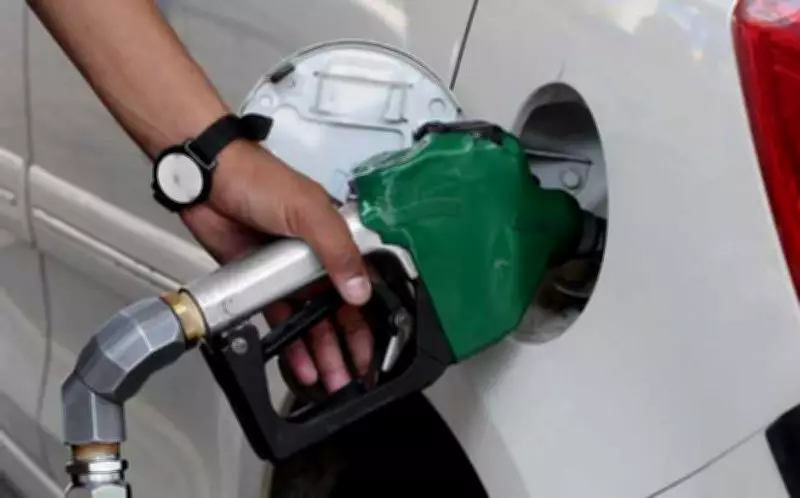
The Finance Department has been directed to impose a 20% reduction in petroleum-related expenditure across departments until September 2026. All departments must certify monthly that they have reduced vehicle usage by at least 10%. A dedicated monitoring portal will be developed to track compliance and savings.
The number of vehicles accompanying VIP convoys will be reduced by 50%, subject to security requirements. Simultaneously, the government has imposed a complete ban on the purchase of non-electric vehicles by government departments, boards, corporations, and commissions during the period.
Strong Push for Electric Mobility and Public Transport
To reduce dependence on conventional fuels, Haryana has decided to prioritize the expansion of electric vehicle charging infrastructure across the state. Urban local bodies have been encouraged to develop cycle tracks and bicycle-sharing systems, while transport authorities have been advised to strengthen public bus services and improve fuel-efficient transport operations.
The Industries Department has also been asked to engage with industry bodies such as NASSCOM, CII, and FICCI to encourage work-from-home arrangements wherever feasible and introduce staggered office timings to reduce traffic congestion and fuel consumption.
Energy-Saving Measures in Government Buildings
The guidelines mandate that air-conditioners in government offices be maintained between 24 and 26 degrees Celsius. Departments have been instructed to curb unnecessary lighting and decorative illumination. Office timings may be adjusted to maximize the use of daylight and reduce electricity consumption.
The government has also emphasized accelerating solar power, renewable energy, and compressed biogas projects. Municipal bodies have been directed to utilize solid waste for energy generation and expedite waste-to-energy initiatives.
Focus on Agriculture, MSMEs, and Local Products
The Agriculture Department has been tasked with increasing oilseed production and promoting natural farming, zero-budget farming, and balanced fertilizer usage. Bio-input resource centers are to be established through farmer producer organizations and cooperative societies. Measures have also been proposed to prevent misuse and smuggling of fertilizers.
The government has additionally sought support for micro, small, and medium enterprises (MSMEs) and self-help groups by encouraging their participation on e-commerce platforms and promoting locally manufactured products as substitutes for imports.

Advisory Issued for Citizens
The public has been advised to avoid unnecessary foreign travel, reduce participation in large gatherings, and make greater use of public transport, carpooling, and electric vehicles. Citizens have been encouraged to support local tourism, purchase local products, and adopt energy-efficient practices in homes and businesses. Hotels, restaurants, and households have been urged to prioritize PNG usage and maintain air-conditioner temperatures within the prescribed range.
The government has further appealed to citizens to actively participate in the “Mera Bharat, Mera Yogdan” campaign by adopting sustainable lifestyles, conserving energy, and contributing to national resource-saving efforts.
Officials said the directions have been circulated to all Administrative Secretaries, Heads of Departments, Divisional Commissioners, Deputy Commissioners, Boards, Corporations, and Universities in Haryana for immediate implementation and strict compliance.





