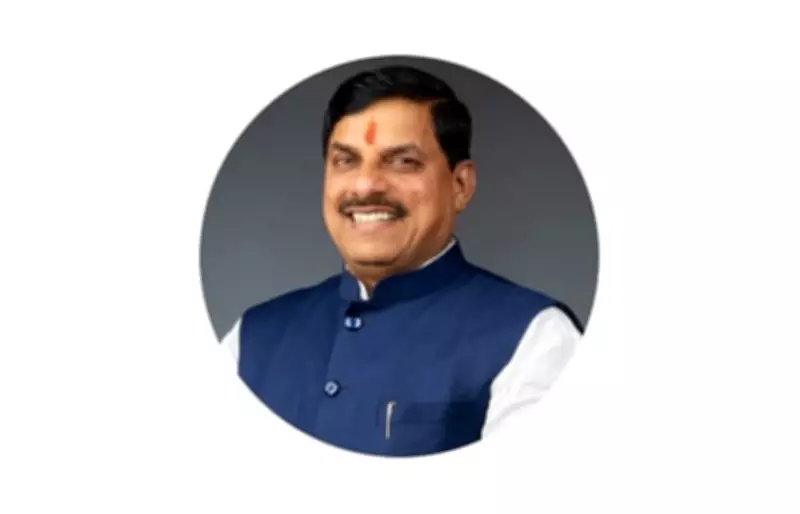
Chief Minister Dr. Yadav announced a historic agreement regarding the Sardar Sarovar Project that significantly reduces Madhya Pradesh's financial liability to just ₹231.80 crore. The pact, hailed as a milestone in cooperative federalism, resolves long-standing disputes over cost-sharing and water allocation among the Narmada basin states.
Key Details of the Agreement
The Sardar Sarovar Project, a multipurpose dam on the Narmada River, has been a subject of contention among Gujarat, Madhya Pradesh, Maharashtra, and Rajasthan. Under the new agreement, Madhya Pradesh's share of the project's capital costs has been slashed from earlier estimates of over ₹3,000 crore to ₹231.80 crore. This reduction reflects a renegotiated formula that accounts for Madhya Pradesh's contributions and benefits from the project.
According to state government sources, the agreement also clarifies water-sharing ratios, ensuring Madhya Pradesh receives its rightful allocation for irrigation and drinking water. The deal was signed after months of negotiations mediated by the central government.

Impact on Cooperative Federalism
CM Dr. Yadav emphasized that the agreement exemplifies cooperative federalism, where states work together with the Centre to resolve complex inter-state issues. "This is a historic moment for Madhya Pradesh and the nation. The reduction in liability will free up resources for development projects in our state," he stated. The chief minister also thanked Prime Minister Modi and Union Jal Shakti Minister for their facilitation.
The agreement is expected to set a precedent for resolving other inter-state water disputes, such as those involving the Krishna and Cauvery rivers. Experts note that cooperative federalism has been a cornerstone of the Modi government's approach to governance.
Financial and Economic Implications
With the liability now capped at ₹231.80 crore, Madhya Pradesh can redirect funds to critical sectors like health, education, and infrastructure. The state had previously budgeted over ₹500 crore annually for the project; the new terms will save the exchequer substantial amounts over the coming decades. The agreement also includes provisions for cost escalation and maintenance, ensuring long-term fiscal predictability.
The Sardar Sarovar Project, with a capacity of 1,450 MW hydropower and irrigation for 1.8 million hectares, remains vital for the region's water security. The new deal ensures that all partner states contribute equitably while reaping benefits.
Reactions and Next Steps
Opposition parties have cautiously welcomed the agreement but sought details on the renegotiation process. Political analysts view the pact as a boost for the BJP-led government in Madhya Pradesh ahead of upcoming elections. The state assembly is expected to ratify the agreement in its next session.
Implementation will involve setting up a joint monitoring committee to oversee water releases and cost-sharing. The central government will play a facilitating role to ensure compliance.