

From Garbage to Gold: Hyderabad's Innovative Waste-to-Energy Solution
Across India, from bustling northern cities to serene southern towns, garbage accumulation on streets remains a persistent challenge, creating unhygienic conditions, foul odors, and significant public discomfort. However, in a remarkable twist, one Indian city has transformed this problem into a powerful solution that not only cleans the environment but also fuels local commerce and nourishes hundreds daily.
The Bowenpally Market Revolution
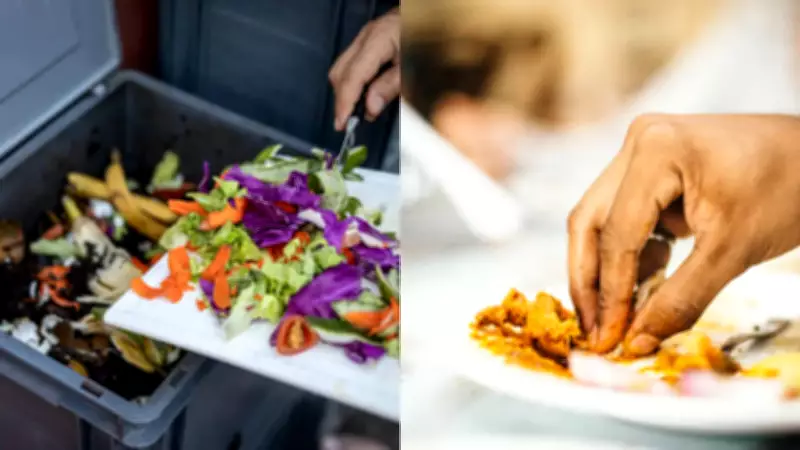
In Hyderabad's vibrant Bowenpally market, waste is no longer seen as a burden but as a valuable resource generating electricity, biogas, and fertilizer. This innovative approach has created a circular economy where what was once discarded now powers shops, illuminates streets, and even feeds the community.
According to detailed reports, approximately 10 tons of fruit and vegetable waste are collected daily from the market and transported to an on-site biofuel plant. Through advanced processing, this organic material produces nearly 500 units of electricity that power 170 shops, street lighting, water supply systems, and cold storage facilities. The residual material from this conversion becomes nutrient-rich fertilizer distributed to local farmers, completing a sustainable cycle.

From Waste to Nourishment: The Biogas Kitchen
The most compelling aspect of this initiative is how it directly addresses food security. The biofuel plant generates approximately 30 kilograms of biogas daily, which fuels a community canteen serving ten different breakfast varieties to over 600 people. This innovative approach reportedly saves approximately Rs 1.5 lakh every month while providing nutritious meals.
"This represents a paradigm shift in how urban centers can approach waste management," notes an environmental expert familiar with the project. "Instead of viewing waste as a problem requiring disposal, Bowenpally market demonstrates how it can become an engine for community development."
The Science Behind the Solution
A biofuel plant processes biological materials—such as agricultural crops, organic waste, or other biodegradable matter—to create fuel alternatives to conventional petroleum, diesel, or LPG. The Bowenpally facility was established under the guidance of CSIR-IICT (Council of Scientific and Industrial Research–Indian Institute of Chemical Technology), which began researching biogas production from vegetable, fruit, and food waste back in 2006.
By 2011, researchers had developed patented technology tested on small scales across various Indian farms and kitchens. Subsequent re-engineering enhanced the system's efficiency, enabling it to handle larger waste volumes and generate increased energy output. The Department of Biotechnology provided crucial capital investment for the plant's establishment, while the Department of Agriculture Marketing supported necessary civil infrastructure development.
How the Waste Conversion Process Works
The daily operation follows a meticulously designed sequence:
- Contract teams systematically collect organic waste from the market premises
- Collected materials are transported to the on-site processing facility
- Waste undergoes shredding and soaking in feed preparation tanks, creating a uniform slurry
- This slurry enters anaerobic bio-methanation chambers containing specialized bacterial cultures
- Resulting biogas is captured in separate storage tanks and piped directly to the community kitchen
- Simultaneously, biofuel powers a 100% biogas generator supplying electricity for water pumps, cold storage, street lighting, and shop illumination
This integrated system demonstrates how urban markets can implement sustainable practices that address multiple challenges simultaneously—waste management, energy generation, food security, and agricultural support.

Broader Implications and Future Potential
The Bowenpally model offers valuable insights for other urban centers grappling with similar waste management challenges. Beyond the immediate benefits of electricity generation and food provision, the project contributes to plastic recycling initiatives and has inspired concepts like solar cycling tracks, showcasing how sustainability innovations can create ripple effects across multiple domains.
As cities worldwide seek solutions to growing waste problems and energy demands, Hyderabad's Bowenpally market stands as a compelling case study in practical, community-centered sustainability that transforms environmental challenges into economic and social opportunities.





