India's Urban Dilemma: Prosperity Outpaces Infrastructure in Hyderabad and Bangalore
Governments across India have historically excelled at managing poverty but are now struggling to handle prosperity, a critical issue evident in cities like Bangalore and Hyderabad. As residents grow wealthier, purchasing multiple cars, larger homes, and traveling more frequently, the infrastructure fails to keep pace, leading to severe urban congestion and inefficiencies.
Leveraging Buses, Metro Rail, and AI to Solve Hyderabad's Mobility Problem
Today, Hyderabad's most pressing challenge is mobility. When individuals spend three to four hours daily commuting to and from offices, their productivity and energy levels plummet. To address this, Hyderabad must take immediate action on several fronts.
First, the city should deploy a minimum of 15,000 air-conditioned public buses, including both large and small electric models, to saturate the urban area and encourage bus commuting. Utilizing artificial intelligence (AI) to track routes, analyze travel patterns by time, day, and season, and adjust schedules accordingly can optimize efficiency. Additionally, allowing private companies to operate buses, as seen in Singapore, could boost job creation and operational effectiveness. The ultimate goal is to provide comprehensive mobility solutions that reduce time wasted in traffic and enhance productivity.

Second, significant investment in metro rail expansion is crucial. Hyderabad currently has approximately 70 kilometers of metro lines, with more under construction, but this process could take three to eight years. Planning for at least 500 kilometers of metro rail should begin now to accommodate future population growth. The city must also ensure that 80% of residents live within one kilometer of a metro station, similar to Paris, and no household is more than 500 meters from a bus stop.
Building Walkable Streets and Heat-Resilient Footpaths
Third, developing wide footpaths in high-activity zones like HITEC City is essential for pedestrian comfort. Given Hyderabad's intense summer heat, these footpaths should feature continuous tree cover or shelters, inspired by Singapore's designs, to provide shade and protection.
Planning New Growth as 15-Minute Cities
All new urban developments should adopt the 15-minute city concept, integrating residential and office spaces to minimize commutes. In Hyderabad's core areas, vertical development should be prioritized to prevent sprawl, which complicates water, sewage, and other utility services and leads to lengthy travel times. These new zones must include schools, hospitals, and social infrastructure within short distances. With a current population of 1.3 crore, Hyderabad must plan for over two crore residents with robust public transport systems, and these initiatives should start immediately to avoid worsening congestion.
Governance Reform: Enhancing City Corporations and Accountability
Governance should be decentralized, with city governments modeled after Bengaluru's five corporations or London's 24 boroughs. Breaking civic bodies into smaller units ensures better management and accountability, with no single corporation overseeing more than around 25 lakh people.
What Went Wrong with Bangalore? Lessons in Misgovernance
Bangalore's failures stem from poor governance, including a single, corrupt city corporation, chief ministers usurping mayoral roles, and inadequate public transportation expansion. The city has only 6,500 buses against a need for 15,000, with public sector units suffering losses, high operational costs, employee absenteeism, and frequent breakdowns due to mismanagement by transient IAS officers. The metro system is five years behind schedule, with overcrowded trains pushing residents toward private vehicles. Once a walker's paradise, Bangalore now has ruined footpaths and rampant corruption, exemplifying bad governance and underinvestment.
Fixing the Urban Political Gap
Indian cities lack political power, as delimitation based on population occurs only every decade. Despite rising urban populations, seat allocations haven't increased, leading politicians to prioritize rural votes and divert city taxpayer funds accordingly. This disparity must be addressed to ensure urban needs are met.

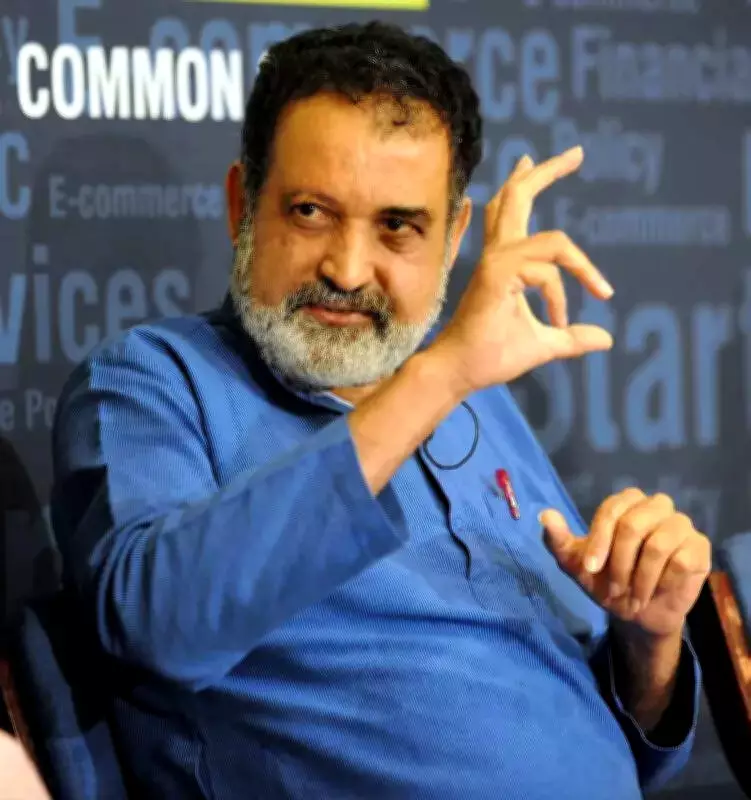
The writer is a businessman, investor, chairman of Aarin Capital and Manipal Global Education, and former CFO of Infosys (As told to Swati Bharadwaj).