India's Road Quality Revolution: A Blueprint for All Infrastructure Projects
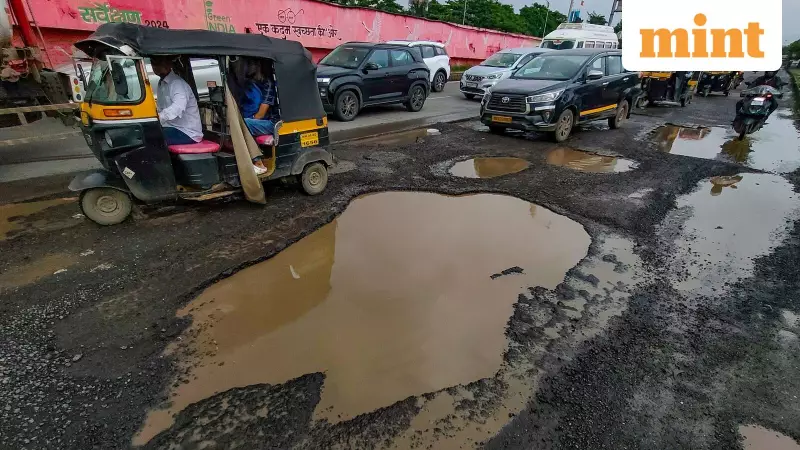
Public anger over India's crumbling roads has reached a boiling point. It is no longer background noise but a national crisis demanding immediate attention. Nearly thirty-five percent of rural roads and twenty-five percent of urban roads require urgent repairs. The tragic loss of 177,177 lives in road accidents during 2024 alone underscores the severity of the situation. Every pothole represents more than just damaged asphalt; it signifies a direct threat to public safety.
The High Cost of Low Bids
For years, government procurement often favored the lowest bidder. This L1 system frequently compromised quality to save money. Even the Quality and Cost Based Selection method had significant limitations. Consultants and developers would submit aggressively low bids to win contracts, leading to poor Detailed Project Reports and substandard construction.
The consequences have been devastating. Road Transport Minister Nitin Gadkari himself linked inadequate DPRs to the rising number of accidents. Catastrophic failures like the Gambhira Bridge collapse, which killed twenty-two people, exposed a deep crisis of neglect. Similar issues caused the Morbi bridge tragedy, closures on NH-44 in Jammu and Kashmir, and dangerous cave-ins on National Highway 66 in Kerala.

A New Path Forward
This year, the Ministry of Road Transport and Highways implemented a groundbreaking reform. It completely eliminated financial bids for hiring consultants. Contracts are now awarded based solely on technical merit. This marks a decisive break from the old cheap-bid culture.
Consultants design the blueprint for every road project. Their DPRs determine alignment, pavement design, safety features, and cost structures. When these reports lack technical rigor, the results are design flaws, structural failures, and safety hazards. The new system prioritizes the consultant's past performance and technical score, ensuring only the most qualified firms win contracts.
Reforming the Entire Ecosystem
The ministry's reforms extend beyond consultants. New bidding norms for Hybrid Annuity Model contracts set higher financial and technical thresholds for developers. This change discourages aggressive underbidding by 10-15%, a common practice under the old L1 system.
The ministry has also introduced crucial safeguards. It now sets a fixed cost for future maintenance, preventing bidders from quoting unrealistically low prices just to win a contract. Winning contractors must provide additional security money, which acts as a powerful deterrent against cutting corners and guarantees end-product quality.
Clear Benefits and Manageable Costs
The advantages of this quality-first approach are substantial. We can expect roads that last longer, reduce fuel consumption, minimize vehicle damage, and create more predictable supply chains. Cleaner model concession agreements and tighter financial filters should also decrease the number of stalled projects.
There are short-term trade-offs. Some mid-tier firms with inconsistent records may face temporary challenges. Bidder participation might dip slightly, and costs could see a moderate increase. However, these are manageable transition expenses. The alternative—constantly repairing fragile infrastructure—is far more expensive for the nation.
With 124 major highway projects worth ₹3.5 trillion planned for 2025-26, India cannot afford to build infrastructure that deteriorates quickly. The new agenda rests on three pillars:
- A steadfast commitment to quality-first selection for consultants and bidders.
- The creation of bankable, realistic contracts through upgraded agreements.
- Strong accountability enforced via performance scorecards, audits, and QR-coded monitoring systems.
A Template for National Transformation
This governance model must not remain confined to highways. Similar problems of poor planning, underbidding, and weak enforcement plague ports, airports, railways, and urban infrastructure projects across the country.

As India advances ambitious projects like economic corridors, multimodal logistics parks, and port-led development, durable infrastructure is not a luxury. It is an absolute necessity to reduce logistics costs and maintain global competitiveness. These reforms show India is finally prioritizing long-term durability over short-term savings.
The real opportunity—and challenge—is to replicate this philosophy across every infrastructure sector. Every new kilometer of road, every section of rail track, and every modern port berth must deliver value for decades to come. India already boasts the world's second-largest road network. The next, crucial goal is to build one of the very best.