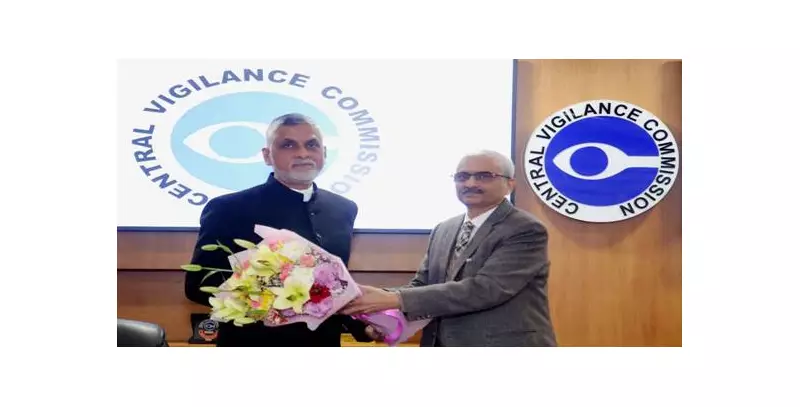
Senior IPS officer Praveen Vashista officially joined the Central Vigilance Commission as vigilance commissioner on Friday. This appointment brings the anti-corruption body back to its complete three-member strength. Vashista took his oath of office before the Central Vigilance Commissioner in New Delhi.
Selection and Background
The Prime Minister-led selection committee cleared Vashista's appointment last month. He previously served as special secretary for internal security in the Union home ministry. Vashista was due to retire in July this year, but his tenure has now been extended through this new role.
Extensive Security Experience
Vashista brings over three decades of diverse experience to the position. He played a crucial role in planning security operations against Maoist extremists while heading the Left wing extremism division at the home ministry. His work focused not only on security measures but also on pushing development initiatives in regions affected by Naxal influence.

Before his recent home ministry posting, Vashista held significant positions in Bihar's police force. He worked as inspector general in both the Economic Offences Wing and the Criminal Investigation Department. His career also includes postings as superintendent of police in important districts like Ranchi, Dumka, and Garhwa.
Previous Central Agency Experience
The officer has substantial experience with central investigation agencies. He served in the Central Bureau of Investigation as both superintendent of police and deputy inspector general. This background in multiple security and investigation roles makes him well-suited for his new vigilance position.
Swearing-in Ceremony
Senior officers from several key departments attended Vashista's swearing-in ceremony. Representatives from the Department of Personnel and Training, CBI, Enforcement Directorate, and the Central Vigilance Commission itself were present to witness the event.
Legal Framework
The Central Vigilance Commission Act of 2003 provides the legal basis for these appointments. According to the act, the commission consists of a Central Vigilance Commissioner and two vigilance commissioners. Vigilance commissioners serve four-year terms or until they reach sixty-five years of age, whichever comes first.
Vashista's appointment follows proper constitutional procedures. The Central Vigilance Commissioner administered the oath after receiving authorization from the President of India, as specified in the CVC Act.
This development marks an important moment for India's anti-corruption framework. With all three positions now filled, the Central Vigilance Commission can operate at full capacity to address vigilance matters across government departments.