

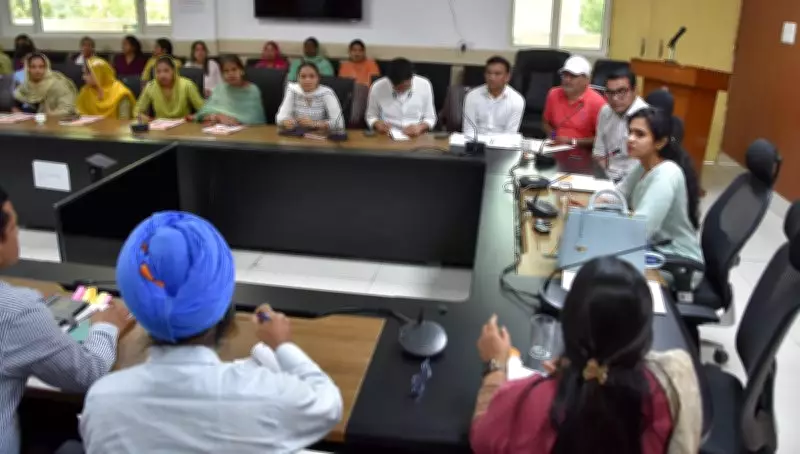
Kaithal Women Sarpanches Directed to Monitor Local Institutions in Haryana
In a significant move aimed at enhancing grassroots governance, women sarpanches in the Kaithal district of Haryana have been formally instructed to maintain close oversight of various local institutions. This directive, issued by district authorities, emphasizes the critical role these elected representatives play in ensuring the efficient functioning of community facilities.
Focus on Key Community Services
The monitoring responsibilities specifically target institutions such as government schools, primary health centers, and anganwadi centers. These facilities are vital for providing essential services to rural populations, including education, healthcare, and early childhood development support.
By keeping tabs on these institutions, the women sarpanches are expected to address operational issues promptly, report deficiencies to higher authorities, and facilitate improvements that directly benefit local residents. This initiative aligns with broader efforts to empower women in leadership positions and leverage their insights for better public service delivery.

Empowering Women in Local Governance
The directive underscores a growing recognition of the unique perspectives and dedication that women bring to panchayat roles. In many villages across Kaithal, women sarpanches have already been instrumental in driving community development projects, from sanitation campaigns to infrastructure upgrades.
This new monitoring role is seen as an extension of their existing duties, providing them with a structured framework to influence institutional performance. It also aims to bridge gaps in accountability, ensuring that public resources are utilized effectively and that services meet the needs of the community.
Implementation and Expected Outcomes
District officials have outlined a systematic approach for the monitoring process, which includes:
- Regular inspections of schools to check for teacher attendance, student enrollment, and facility maintenance.
- Assessments of health centers to verify the availability of medical staff, medicines, and equipment.
- Evaluations of anganwadi centers to monitor nutrition programs and early education activities.
The women sarpanches will be required to submit periodic reports to the district administration, highlighting any concerns or successes. This feedback mechanism is designed to foster transparency and enable timely interventions where needed.
Community leaders and residents have largely welcomed the initiative, noting that it could lead to tangible improvements in service quality. By empowering women sarpanches with this oversight function, Haryana aims to strengthen local governance models and promote inclusive development across its rural landscapes.






