The Karnal Municipal Corporation (KMC) will soon launch special camps across the city to regularise unauthorised water supply and sewerage connections, officials announced. The initiative aims to expand the water supply network, boost revenue collection, and enhance service delivery.
On-the-Spot Authorisation
Residents in newly authorised colonies and areas with high numbers of unauthorised connections will be able to obtain authorised water supply and sewerage connections on the spot after submitting the required documents. “The objective is to bring every eligible consumer into the authorised network through this campaign. Ward councillors and ward committees should be actively involved to ensure maximum public participation,” said Saloni Sharma, Commissioner of KMC.
Revenue Recovery and New Connections
Sharma instructed officials to intensify recovery of outstanding water and sewerage charges. After distributing water bills, notices will be served to defaulting consumers, and recovery progress will be monitored regularly. “We have already collected around Rs 2.19 crore as water and sewerage charges during the current financial year,” she added.

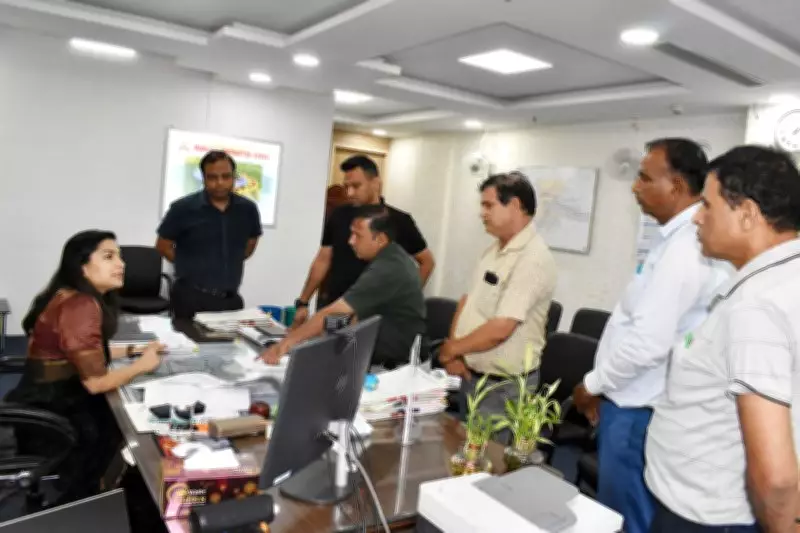
During a review of the water supply branch on Wednesday, the Commissioner was informed that 1,609 new water supply and sewerage connections have been issued in recent months, bringing the total authorised connections in the municipal area to 41,116.
Awareness and Quality Focus
Sharma directed officials to step up awareness campaigns so that more residents voluntarily obtain authorised connections. She also emphasised improving water supply quality by ensuring prompt redressal of complaints related to pipeline leakages and sewer-water mixing. Engineers were instructed to respond immediately to such complaints to minimise inconvenience. “Leakages and sewer-water mixing directly affect public health. Every complaint must be attended to without delay to ensure uninterrupted and safe water supply,” she said.
Water Conservation Push
Highlighting the importance of water conservation, Sharma advocated using treated water for construction, irrigation, and industrial purposes, while reserving freshwater primarily for drinking and domestic use.