Karnataka Excise Scam Exposes Deep-Rooted Licensing Corruption
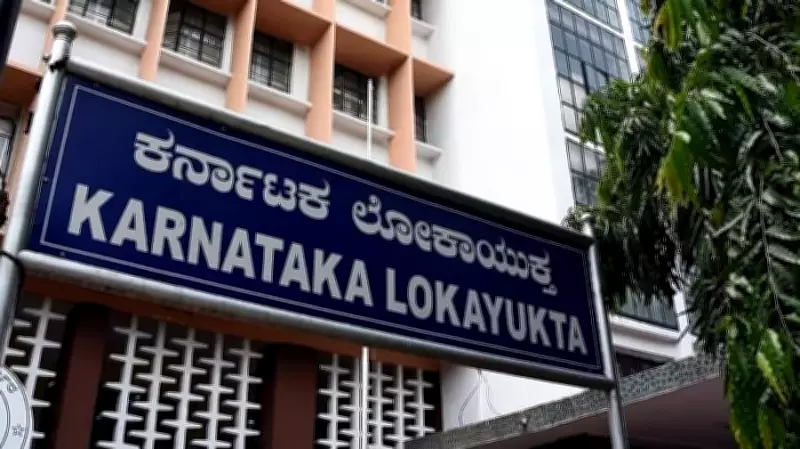
The recent Karnataka excise scam has once again brought to light the severe flaws in the state's outdated licensing regime, which has long enabled a cycle of corruption that undermines governance and public trust. This scandal, currently under investigation by the Lokayukta, serves as a stark reminder of how systemic graft can flourish when policies remain stagnant and unresponsive to modern needs.
The Outdated Licensing Framework: A Breeding Ground for Graft
Karnataka's excise licensing system, which governs the sale and distribution of alcohol, is built on archaic regulations that have not seen significant updates in decades. This policy freeze has created numerous loopholes and discretionary powers that officials and vested interests exploit for personal gain. The scam involves allegations of:
- Irregularities in the issuance of liquor licenses to ineligible entities.
- Bribes and kickbacks exchanged between government officials and private players.
- Manipulation of tender processes to favor specific contractors.
- Underreporting of revenue to evade taxes and siphon off public funds.
Such practices not only drain state coffers but also distort market competition, allowing unqualified operators to thrive while legitimate businesses suffer.

Systemic Corruption: A Vicious Cycle Perpetuated by Inaction
The excise scam is not an isolated incident but part of a broader pattern of systemic corruption that has plagued Karnataka's administrative machinery. The licensing regime's lack of transparency and accountability fosters an environment where:
- Officials wield unchecked power over license approvals and renewals.
- Political connections often override merit-based decisions.
- Whistleblowers face intimidation, discouraging exposure of malpractices.
- Weak enforcement mechanisms fail to deter repeat offenders.
This cycle of corruption becomes self-perpetuating as those benefiting from the system resist reforms, ensuring that outdated policies remain in place to serve their interests.
Urgent Need for Policy Reforms and Strengthened Oversight
To break this corrupt cycle, comprehensive policy reforms are imperative. Key measures should include:
- Modernizing the excise licensing process through digital platforms to reduce human intervention and increase transparency.
- Implementing stricter eligibility criteria and background checks for license applicants.
- Enhancing the powers and resources of anti-corruption bodies like the Lokayukta to conduct thorough investigations.
- Introducing real-time auditing and public disclosure of license-related decisions and revenues.
Additionally, fostering a culture of accountability within the government and encouraging citizen vigilance can help deter future scams. The Karnataka government must act swiftly to overhaul this outdated regime, not only to address the current excise scam but to prevent similar scandals from emerging in other sectors.
The excise scam is a wake-up call for policymakers across India, highlighting how policy inertia can enable corruption to become entrenched. By learning from Karnataka's experience, other states can proactively reform their licensing systems to promote fairness, efficiency, and integrity in governance.