

The Karnataka government has announced a new initiative to interlink family trees digitally in order to curb fraudulent claims related to inheritance and property transfers. The move aims to bring transparency and efficiency to the process of establishing legal heirs, which has often been exploited through forged documents and false claims.
Background of the Initiative
Currently, citizens are required to draw up their family tree and apply for a certificate of attestation from the revenue department. This certificate is used to settle disputes in inheritance and establish legal heirs for the transfer of properties. However, the manual system has been prone to manipulation, leading to numerous cases of fraud. The new digital interlinking of family trees is expected to address these issues by creating a centralized, verifiable database.
How It Will Work
Under the proposed system, family trees submitted by individuals will be cross-checked and linked with existing records from various government departments. This will include data from birth and death registries, marriage records, and land records. The revenue department will use this interconnected data to verify the authenticity of family relationships before issuing attestation certificates. Any discrepancies or mismatches will be flagged for further investigation.

Benefits of the System
- Reduction in Fraud: The interlinked system will make it difficult for individuals to submit false family trees or claim fake relationships. This will significantly reduce the number of fraudulent inheritance cases.
- Faster Processing: With digital verification, the time taken to issue attestation certificates is expected to decrease. Applicants will no longer need to physically visit multiple offices to prove their lineage.
- Transparency: The entire process will be recorded digitally, providing an audit trail that can be reviewed in case of disputes. This will enhance trust among citizens and reduce litigation.
Implementation Plan
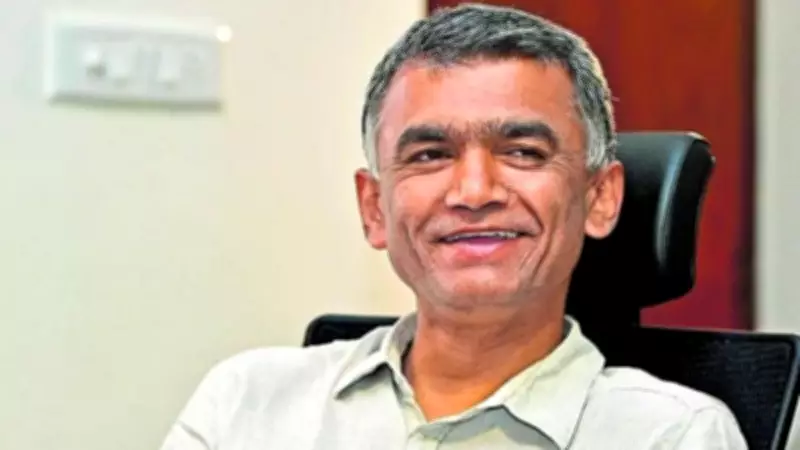
Revenue Minister Krishna Byre Gowda stated that the government is working on a phased implementation. Initially, the system will be tested in select districts before being rolled out statewide. The necessary technology infrastructure is being developed, and training will be provided to revenue officials. The government also plans to involve local bodies and village accountants to ensure accurate data collection.
Challenges Ahead
While the initiative is promising, challenges remain. One major hurdle is the digitization of historical records, which are often incomplete or in poor condition. Additionally, there may be resistance from those who benefit from the current opaque system. The government will need to address privacy concerns and ensure that sensitive personal data is protected under the proposed digital framework.
The Karnataka government expects the interlinked family tree system to be operational within the next year. Once fully implemented, it could serve as a model for other states grappling with similar issues of inheritance fraud. This move aligns with the broader push towards e-governance and digital transformation in the state.






