Kerala Power Minister Voices Strong Opposition to Draft National Electricity Policy
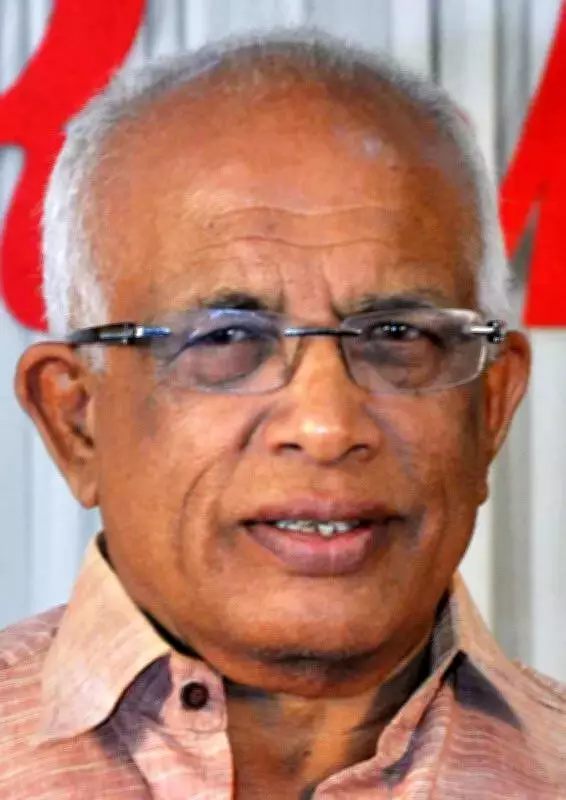
Power Minister K Krishnankutty informed the Kerala Legislative Assembly on Monday that the state government is actively preparing its formal response to the draft National Electricity Policy recently released by the Union government. The minister expressed significant concerns, stating that several provisions outlined in the draft policy are fundamentally against the interests of Kerala and could have severe repercussions for both the public and the state's electricity sector.
Key Concerns Over Distribution and Pricing Powers
One of the most contentious changes proposed in the draft policy involves granting electricity distribution agencies the authority to revise charges without awaiting clearance from their respective State Electricity Regulatory Commissions. This revision would only require alignment with a predefined set of guidelines. Minister Krishnankutty warned that such a move could lead to unchecked price hikes, directly impacting consumers.
The minister emphasized that the state government and the Kerala State Electricity Board Limited (KSEBL) are currently assessing how the proposal to reduce cross-subsidy would affect socially responsible power distribution. Cross-subsidy is a mechanism where commercial and industrial consumers pay higher tariffs to subsidize lower rates for domestic and agricultural users. A reduction in this subsidy, Krishnankutty argued, could result in a steep and unsustainable rise in power bills for households and farmers across Kerala.

Broader Policy Implications for Kerala
In his detailed address to the assembly, Krishnankutty highlighted that many proposals within the draft policy document are unwelcome from Kerala's perspective. Specifically, the policy's push to encourage competition in electricity distribution was cited as a threat that could adversely destabilize the existing distribution model, which has been tailored to meet the state's unique socio-economic needs.
The minister also raised objections regarding the following key areas:
- The proposal to create a new company for power transmission, which could fragment the integrated state-controlled system.
- The plan to convert the State Load Despatch Centre into a separate corporate entity, potentially reducing state oversight over grid management.
- The recommendation to exclude government representatives from the state power utility, a move the Kerala government firmly opposes as it could diminish public accountability.
Furthermore, Krishnankutty stressed that the state government expects the Centre to honor the discretionary powers of state governments concerning the establishment of pumped storage projects, which are crucial for energy storage and grid stability.
State's Response and Next Steps
Concluding his remarks, the power minister assured the assembly that the Kerala government's comprehensive response to the draft National Electricity Policy would be finalized and shared with the Central government in the near future. This response will formally articulate the state's objections and seek amendments to protect Kerala's interests and ensure affordable, reliable electricity for all its residents.